
 close


 LOGIN
Probiotics for athletes: what’s the latest thinking?
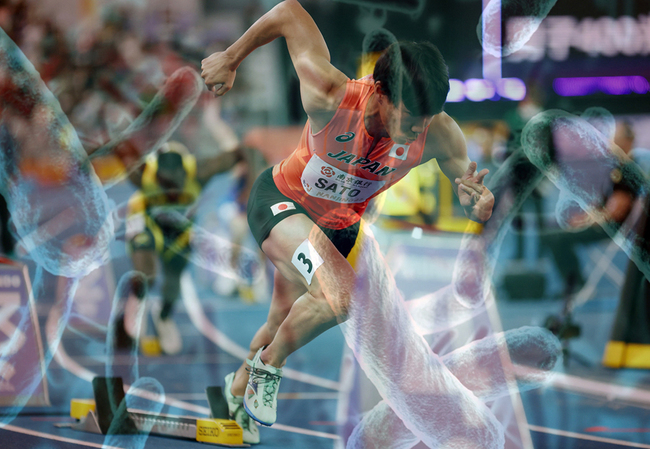
If you’re a regular subscriber, you’ll be well aware that immunity, and how to improve it, is a topic we have discussed on many occasions here at SPB. But why does immunity matter so much to athletes? Well firstly, there’s incontrovertible evidence that immunity and vigorous exercise are linked - with something of a double-edged sword relationship. If you exercise regularly, you will likely have improved immune function compared to your sedentary counterparts. Indeed, regular vigorous exercise may even prevent or reverse the age-related decline in immunity observed in the population at large(1).
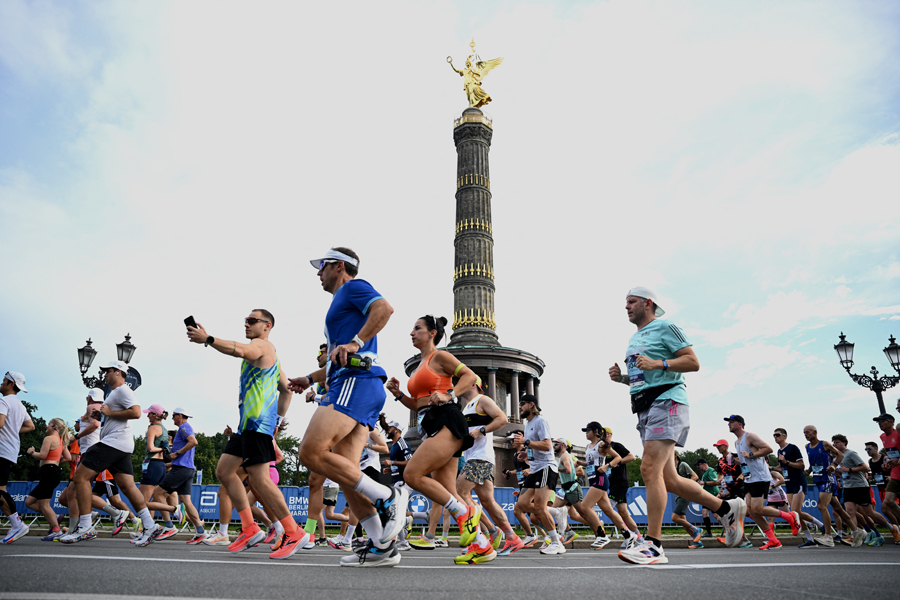
On the flipside, heavy or prolonged bouts of exercise – eg running a marathon - generates a type of post-exercise immune depression sometimes referred to as ‘open window’ following the strenuous effort(2). This immune dip creates favorable conditions for upper respiratory tract infections (URTIs – coughs, colds, sore throats etc) to take hold in the days following a hard effort(3,4). Research shows that such an immune dip can lead to a 2- to 6-fold increase in the risk of upper respiratory tract infections, ultimately hurting an athlete’s performance(5).
Immunity matters
However, beyond the inconvenience and unpleasantness of being unwell, there’s a more profound link between immunity and athletic performance, which is lost training time. When you’re unwell, you either cannot train at all, or at the very best, cannot train properly. That 5-day cold and sore throat preventing you from training might also require 2-3 of days of easy training afterwards in order to ensure proper recovery. That’s a week of high-quality training missed. A couple of colds per year results in at least two weeks of missed training. Meanwhile, a bad bout of influenza can easily knock you out for a month.
Seasoned athletes seeking a new PB are often happy to improve their race times by just 1% over a season - eg runners dropping half a minute off a 40-minute 10km run time or cyclists slicing three quarters of a minute from a previous best of 70 minutes in a 25-mile time trial. Imagine how much easier it might be to achieve that new PB if you weren’t regularly losing 5-10% of your annual high-quality training time? This is why strategies aimed at improving immune function and reducing lost training time should be considered an integral and crucial part of successful training programs!
Nutrition and post-exercise immunity
There’s now good evidence that certain nutritional strategies can mitigate the stress in the immune system generated by exercise. These strategies have long included the use of such nutrients such as protein, carbohydrate, amino acids and vitamins/minerals during and after exercise (for a more in-depth discussion, readers are advised to see this article)(6,7). In more recent years however, there’s been an increasing interest in the use of probiotic supplements for enhancing athlete immunity.
As we have discussed in previous SPB articles, a growing body of research has demonstrated that the use of probiotic supplementation produces immune and gastrointestinal system benefits. These include:
· An increase in circulating leucocytes (key cellular components of the immune system)(8).
· Stimulation of the maturation of immune cells present in the gut, such as lymphocytes, macrophages, and dendritic cells(9).
· With certain strains of probiotics (eg Lactobacillus casei and Lactobacillus fermentium), a reduced risk of URTIs and flu-like symptoms, and an increase in the concentration of a key immune antibody known as ‘sIgA’ (the body’s first line of defence against pathogens) in gut mucosal tissues(10).
Just to recap, ‘probiotics’ is a generic term for a range of friendly bacteria that reside in the gut and enhance gut health. These bacteria are believed to work by balancing the bacteria in the gut (ie keeping harmful bacteria at bay), synthesizing key nutrients, strengthening the intestinal lining, and helping the immune system respond more effectively to stress(11). However, despite the evidence for the benefits of probiotics in human health (and particularly) immune function, data from studies on their effectiveness is rather variable.
Probiotic uncertainties
While many individual studies have shown that probiotics can reduce inflammation and boost immunity, the overall evidence has been somewhat confusing. Some studies show great benefits, while others show none at all(12). This variability is most likely due to fact that different studies have used different probiotic strains and combinations at different doses, in different athlete populations, for different durations, and sometimes with additional nutrients(13). A good example of this is that the probiotics Lactobacillus casei Shirota and Lactobacillus fermentum PCC are both believed to help boost immune activity, but the exact immune system elements (eg macrophages, T-cells, interferon, B-cells etc) they stimulate differ greatly from one another(14). You can think of different breeds of dogs as an analogy; yes they’re all dogs but the different breeds have different behaviour and temperament traits, which is why dog owners tend to get on better with some breeds than others!
New research
In science, when there is uncertainty about research findings, a common approach is to carry out a ‘meta-analysis’, which brings together all the previous research on a topic or aspect of a topic, pools all the findings then uses statistical analysis to reach a more scientifically robust overall conclusion. When it comes to probiotics however, the huge numbers of probiotic variants tested in different studies has resulted in different meta-analyses reaching different conclusions(15). What’s needed in this case is something called an ‘umbrella review’ This is an even higher-level study that doesn’t just look at individual meta-analyses (which are already summaries of multiple trials); it combines them into one giant overview, thereby helping to overcome the uncertainties caused by previous study variations. And now thanks to new research by a team of Chinese researchers, we can turn to new research - an umbrella review of probiotic use in athletes for some definitive answers(16).
You need to be logged in to continue reading.
Please register for limited access or take a 30-day risk-free trial of Sports Performance Bulletin to experience the full benefits of a subscription. TAKE A RISK-FREE TRIAL

Andrew Hamilton

Latest Issue
Subscribe Today
Newsletter Sign Up
Testimonials
Dr. Alexandra Fandetti-Robin, Back & Body Chiropractic
Elspeth Cowell MSCh DpodM SRCh HCPC reg
William Hunter, Nuffield Health
Subscribe Today
Newsletter Sign Up

Coaches Testimonials
Dr. Alexandra Fandetti-Robin, Back & Body Chiropractic
Elspeth Cowell MSCh DpodM SRCh HCPC reg
William Hunter, Nuffield Health
Subscribe Today
Latest Issue
Keep up with latest sports science research and apply it to maximize performance
Today you have the chance to join a group of athletes, and sports coaches/trainers who all have something special in common...
They use the latest research to improve performance for themselves and their clients - both athletes and sports teams - with help from global specialists in the fields of sports science, sports medicine and sports psychology.
They do this by reading Sports Performance Bulletin, an easy-to-digest but serious-minded journal dedicated to high performance sports. SPB offers a wealth of information and insight into the latest research, in an easily-accessible and understood format, along with a wealth of practical recommendations.
*includes 3 coaching manuals
Get Inspired
All the latest techniques and approaches


Sports Performance Bulletin helps dedicated endurance athletes improve their performance. Sense-checking the latest sports science research, and sourcing evidence and case studies to support findings, Sports Performance Bulletin turns proven insights into easily digestible practical advice. Supporting athletes, coaches and professionals who wish to ensure their guidance and programmes are kept right up to date and based on credible science.
