
 close
close


 LOGIN
LOGINYou are viewing 1 of your 1 free articles. For unlimited access take a risk-free trial
Advanced strength training: facts vs. fiction
Do advanced resistance training techniques really deliver extra benefits for athletes looking for a performance edge? Andrew Sheaff looks at definitive new research



Resistance training has become a key component of the preparation of almost all athletes. As with every aspect of athletic development, there is a lot of interest in maximizing improvements that result from resistance training. Coaches, athletes, and scientists are always looking for protocols that lead to the most improvement in the least amount of time for the least amount of effort expended.
Traditional vs. advanced training
Traditional set-repetition strength interventions involve using the same weight for the same number of repetitions across a predetermined number of sets (eg 3 sets of 10 reps, 5 x 5 reps, etc.). While these protocols have unquestionably proven to be effective, there is more and more interest in ‘advanced’ resistance training strategies, which strive to increase the mechanical load athletes experience in the hope of accelerating adaptation. Many different strategies have been created, seeking to impose a novel and stronger stimulus beyond just manipulating sets and reps. For example:
1. Rest-pause sets involve performing a repetition with a given weight until failure, taking a short break and then performing more repetitions until failure, taking another short break, and then doing the same once more.
2. Drop sets meanwhile involve performing a set to failure, immediately dropping the weight, performing another set to failure, and repeating the process one or more times.
3. Rest periods can also be manipulated so that additional rest is taken between repetitions of a set, not just between the sets themselves, allowing for more force be exerted each repetition.
4. Lifting cadence can also be controlled giving rise to velocity-loss training, which involves adjusting the weight based upon the intended velocity, as well as determining when a set should be stopped based on the slowdown in velocity towards the end of a set.
5. Eccentric overload training involves specifically challenging the eccentric or lowering portion of repetitions.
These different strategies all challenge athletes in novel ways and create a unique stimulus that is distinct from traditional protocols. These strategies are also distinct from each other; while they all seek to manipulation neuromuscular recruitment, mechanical tension, or metabolic stress, they do so in different ways. However, while these strategies are certainly advanced in terms of their complexity relative to traditional approaches, it’s not necessarily clear if they necessarily lead to better results. Although some studies have shown favorable outcomes, there’s a lack of clarity as to whether these options are significantly more effective than traditional training, and if so, which ones produce the greatest benefits. But now, we have a study that provides the clarity we need.
New research
In this study, a group of Greek researchers performed a systematic review and meta-analysis to determine the impact of advanced resistance training strategies on strength and hypertrophy (muscle growth) outcomes(1). They wanted to understand whether the advanced strength training protocols lead to meaningful improvements in strength and hypertrophy above and beyond those experienced with traditional training protocols.
There were several relevant inclusion criteria that the researchers used to conduct the study. First, only studies involving recreationally trained adults aged 18-45 were included in the study. These subjects were required to have been performing resistance training consistently for at least six months. This is an important consideration as individuals without previous resistance training experience tend to respond equally to all training protocols. As discussed later, it could be argued that these subjects were still relatively untrained, but this criterion was used to ensure there were a sufficient number of studies that could be included in the study. Any studies that involved subjects outside these characteristics were not included.
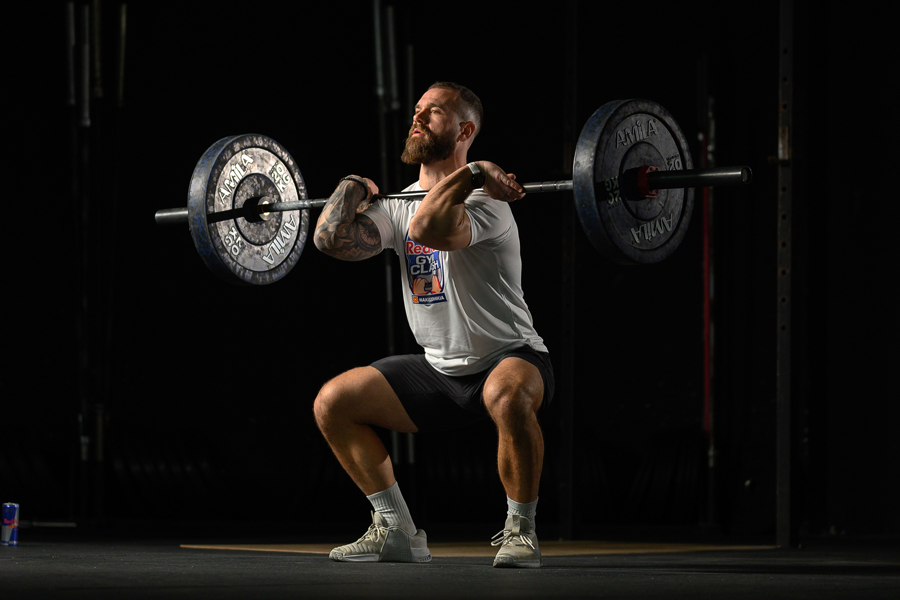
Comparisons matter
To be included, studies needed to directly compare advanced training strategies, such as those mentioned above, with a traditional resistance training protocol. One group performed the advanced protocol(s) and the other performed traditional, straight-set protocols using conventional intensity and volume prescriptions. Interventions involving blood flow-restriction training were not included. While blood flow restriction training is commonly used and can be considered an advanced strategy, it focuses on creating a training effect through changes in blood flow rather than directly influencing mechanical tension. The researchers wanted to stay focused on advanced strategies that primarily manipulated how the muscles were mechanically loaded.
For a study to be included, one of the primary outcomes of the study needed to be a measure of muscle hypertrophy or strength. For strength, maximal voluntary contraction or one-repetition maximum were considered appropriate outcomes. For hypertrophy, valid measurements included cross-sectional area, muscle thickness or lean mass. For meaningful changes in these measurements to emerge, each study was required to include at least two weeks of training. The studies included ranged from 5-12 weeks in duration, with subjects training 2-3 times per week.
Ultimately, 24 studies met the inclusion criteria and were used in the analysis. All 24 of those studies were included in the review and 20 were included in the quantitative analysis. As with all meta-analyses, the studies were assessed for their risk of ‘bias’ Bias in a scientific study arises from flaws in the design, conduct, or analysis of a scientific study that can lead to a systematic error resulting in an overestimation or underestimation of the actual effect from an intervention. Approximately half the studies were considered low risk of bias and ‘some concerns’ were present for the other half. Overall, this is considered an acceptable level of bias.
Finally, when conducting the analysis, the researchers compared advanced strategies and traditional protocols for their overall effects, combining strength and hypertrophy outcomes, as well as for separate strength and hypertrophy outcomes. This provided clarity as to for those interested in overall outcomes, as well as those more interested in either strength or hypertrophy outcomes, respectively.
What they found
When the numbers were crunched, there was a small but significant advantage for advance strategies over traditional training in terms of overall (muscle strength plus growth) outcomes. For those interested in maximizing resistance training outcomes, this is a meaningful finding. More specifically, it was found that eccentric overload training, velocity-based training, and rest-pause training had the largest positive impact. In contrast, tempo-controlled protocols and manipulating rest lengths (strategy #3 in the list above) did not have statistically significant impacts on overall outcomes.
When just strength adaptations were analyzed, there was a significantly positive impact of the advanced strategies compared to the traditional ones, and in this case, the effect was moderate rather than small (see figure 1). However, a deeper analysis did not demonstrate that any of the specific types of advanced resistance training had a particularly large effect, although rest-pause training had the biggest impact on strength of all the advanced strategies.
In contrast, there was no positive impact on hypertrophy when comparing advanced strategies overall to traditional training interventions. However, as an individual strategy, rest-pause training did have a statistically significantly impact on hypertrophy, indicating that it may be a viable option for improving hypertrophy to a greater extent than traditional resistance training protocols.
Figure 1: Forest plot of strength gains in traditional vs. advanced resistance training
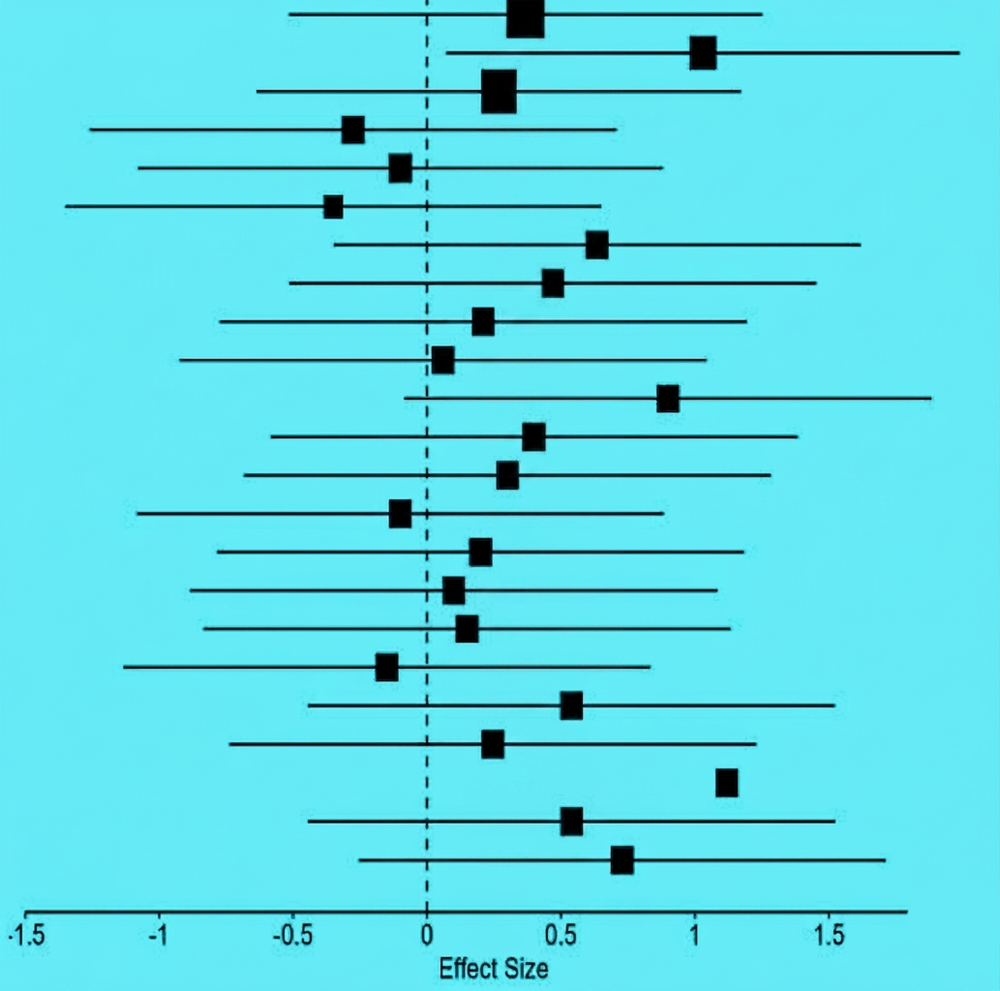
Each line with its square = an individual study. The size of the square reflects the study weight (relative importance). The further to the right of the 0-dotted line, the greater the extra benefit from advanced training over traditional. The square on the bottom line depicts the overall effect size.
Applying the findings to your own training
Advanced resistance training strategies can be effective, especially when it comes to improving strength. So with these results in mind, it then becomes a question of what to do. If improving strength is your primary training outcome, there is solid evidence that eccentric overload training, velocity-based training, and rest-pause training can deliver a small degree of extra benefit relative to traditional approaches, and in competitive sports, these small differences can be very important. When it comes to improving hypertrophy, the evidence is less clear, although rest pause training can lead to greater increases in muscle size. If that is a critical outcome, rest pause training is worth considering.
There are further considerations that are worth mentioning however. First, traditional training interventions still worked, resulting in improvements in strength and hypertrophy. It’s just that, in certain situations, advanced strategies may work better. However, the reason they work better is because they are intensification strategies and they make training more difficult. If you chose to use them, expect to create more fatigue, which may then need to be managed, especially if there are other types of training you need to perform in the hours and days that follow.
If maximizing strength and hypertrophy is currently a primary goal, it may be worthwhile using advanced strategies despite the potentially greater fatigue. If not, consider sticking with traditional strategies that lead to similar outcomes with less fatigue, even though the improvements may be smaller. If you are continuing to see progress while using traditional approaches, it may make sense to continue to use these approaches, saving the more advanced strategies for when progress stops and they become necessary.
An important criticism of the study is that the subjects were only ‘recreationally trained’. This is important because they may not have been sufficiently trained to fully experience enhanced improvements from advanced strategies. At their current levels of fitness, any intervention may have been effective. While this is true, it’s important to remember that many athletes - especially endurance athletes - have relatively modest strength training backgrounds, even if they are highly trained in other areas. For this reason, applying the results of this study to these athletes can make a lot of sense.
However, for those who already advanced strength capabilities, there may be a greater need to use advanced resistance training strategies to allow for continued progress over time. If that describes you or your athletes, it may be necessary to use advanced strategies more regularly. Ultimately, resistance training improves strength and hypertrophy, and in specific circumstances, advanced strategies may lead to greater improvements. Whether those added improvements are relevant, necessary, and ‘worth it’, will ultimately come down to the discretion of the athlete and the coach.
References
1. J Funct Morphol Kinesiol. 2026 Feb 16;11(1):80. doi: 10.3390/jfmk11010080

Latest Issue

Subscribe Today
Newsletter Sign Up
Testimonials
Dr. Alexandra Fandetti-Robin, Back & Body Chiropractic
Elspeth Cowell MSCh DpodM SRCh HCPC reg
William Hunter, Nuffield Health
Editor's Picks
Subscribe Today



Newsletter Sign Up

Coaches Testimonials
Dr. Alexandra Fandetti-Robin, Back & Body Chiropractic
Elspeth Cowell MSCh DpodM SRCh HCPC reg
William Hunter, Nuffield Health
Subscribe Today
Latest Issue

Keep up with latest sports science research and apply it to maximize performance
Today you have the chance to join a group of athletes, and sports coaches/trainers who all have something special in common...
They use the latest research to improve performance for themselves and their clients - both athletes and sports teams - with help from global specialists in the fields of sports science, sports medicine and sports psychology.
They do this by reading Sports Performance Bulletin, an easy-to-digest but serious-minded journal dedicated to high performance sports. SPB offers a wealth of information and insight into the latest research, in an easily-accessible and understood format, along with a wealth of practical recommendations.
*includes 3 coaching manuals
Get Inspired
All the latest techniques and approaches


Sports Performance Bulletin helps dedicated endurance athletes improve their performance. Sense-checking the latest sports science research, and sourcing evidence and case studies to support findings, Sports Performance Bulletin turns proven insights into easily digestible practical advice. Supporting athletes, coaches and professionals who wish to ensure their guidance and programmes are kept right up to date and based on credible science.
