
 close
close


 LOGIN
LOGINCan food beat sports supplements?
Andrew Sheaff looks at new research asking if certain foods can replace traditional sports supplements and still deliver performance benefits



Many sports supplements yield benefits, and the amount of money that is spent on supplements attests to the value they are perceived to provide. However, it’s certainly not the case that all sports supplements work. What’s important is determining which supplements do work and are worth the costs, and which supplements can be replaced with everyday food, potentially saving athletes a lot of money.
Nutrients, supplements and food
Most sports supplement products supply a concentrated nutrient source. When that nutrient is relevant to performance or athlete health, consuming it in a concentrated form makes sense. Of course, all nutrients can be consumed via everyday food as well, and many foods provide concentrated sources of nutrients that are relevant to athletes. As a result, some individuals advocate for the use of ‘natural alternatives’ instead of commercially available supplements.
There is a lot of confusion about when using foods as a rich nutrient source is effective. In some cases, using a concentrated food source of nutrients is scientifically valid, and in some cases, it’s not. However, this information is not always clearly communicated to the general public, and many individuals with opinions on either side often have an agenda. Fortunately, a group of nutrition scientists recently sat down to examine a series of common food replacement strategies to determine whether using that food can support health and performance as compared to a supplement(1). Here’s what the research has to say on 10 commonly suggested food-based substitutions for sports supplements.
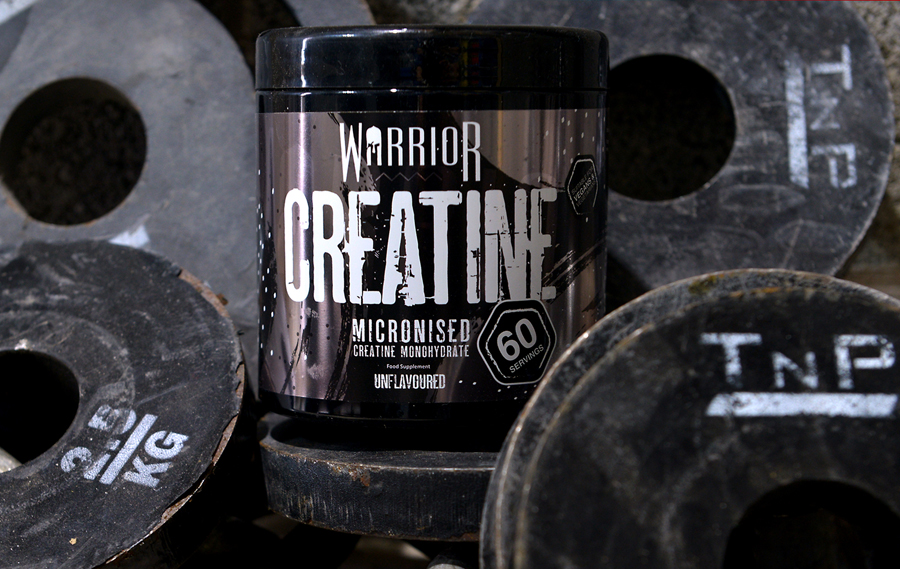
Q #1 - Can you meet you dietary creatine needs with food?
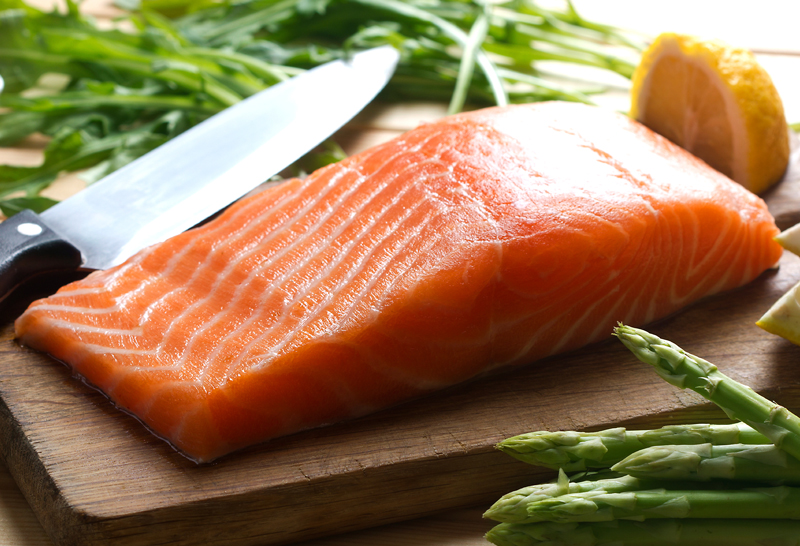
Humans synthesize approximately one gram of creatine every day. Additional creatine comes from food, with the primary source of dietary creatine being meat and fish. Beef and fish (containing 4-5 g/kg) have about twice the creatine content as chicken (2 g/kg). Therefore, if individuals consume significant amounts meat, they can meet dietary creatine needs.
However, with an increasing emphasis on plant-based protein sources in the diet, dietary creatine levels have been dropping, and many may not be getting sufficient creatine in the diet. This is particularly true of athletes, as supplemental dosages of up to five grams per day have been shown to positively impact performance. While this can theoretically be consumed via diet, it would require consuming more beef and fish than can be reasonably expected for most individuals.
Q #2 - Do non-sugar substitutes reduce energy intake in athletes?
Sugar substitutes are often used in ‘diet’ drinks and food products, providing sweetness without calories. These may be effective in reducing energy intake in individuals consuming a large amount sugar. However, the authors make the point that if there’s enough sugar in the diet for non-sugar substitutes to make a positive difference, there are likely to be underlying nutritional and diet choices that may need to be addressed beyond removing sugar. In large population studies, both positive and negative relationships between obesity and non-sugar substitutes have been reported. Of course, athletes are generally not obese individuals, so drawing conclusions from these studies may not be valid. All we can say at this point is it’s difficult to determine whether non-sugar substitutes are effective at reducing energy intake in athletes.
Q #3 - Can athletes get sufficient leucine through beef jerky or chocolate milk?
Leucine is a critical driver of muscle protein synthesis, as a sufficient amount of leucine must be consumed to maximize muscle protein synthesis – see this article. To ensure that sufficient leucine is consumed, some athletes will take leucine-containing supplements such as branch-chain amino acids. However, leucine is also present in protein-based animal products such as whey drinks and beef jerky. If enough of these foods are consumed, an individual can meet the leucine demand. A single serving is likely sufficient for young women, but not young men due to the larger body size. However, the threshold can be met with multiple servings. Provided that energy intake is not being restricted, these foods can be an effective option.
Q #4 - Does honey or applesauce work as well as gels for carbohydrate replacement during exercise?
Carbohydrate delivery during exercise has consistently been shown to enhance endurance performance. Where that carbohydrate comes from does not appear to be as important as improvement benefits have been demonstrated across a wide range of carbohydrate sources. However, that does not mean the carbohydrate source is irrelevant. Different carbohydrate sources may lead to different levels of gastrointestinal distress, and enough carbohydrate must be consumed to optimize performance. If an individual cannot consume a sufficient amount of food to meet carbohydrate needs without causing gastric distress, they may need to use easier to consume gels or similar products. If they can, then food based sources are effective.
Q #5 - Can fruit juice and salt work as well as a sports drink?
Commercial sports drinks facilitate rehydration and performance. They do so by providing liquid, sodium, and carbohydrate. These ingredients are obviously not unique to sports drinks. The challenge is delivering these nutrients in the optimal ratios and in the right amounts. If a homemade drink can be created with these ratios, and doesn’t produce gastric distress, it can be an effective alternative to a commercially available product. The more strenuous the activity and the higher the performance expectation, the more important it is to get deliver the right nutrients in the right ratio. In those situations, homemade options can still work, but the consequences of getting it wrong can therefore be more significant.
Q #6 - Are carnitine and carnosine supplements necessary for vegetarians?
Carnosine is a peptide (protein fragement) that plays a key role in balancing acidity and alkalinity in the bloodstream, while carnitine is an amino acid that plays a key role in cellular metabolism. Both are important for sports performance. Both compounds are found in higher concentrations in animal products, so there is some concern that vegetarians may not be consuming insufficient amounts. However, this does not seem to be the case when carnosine and carnitine levels are measured in sedentary humans. Nevertheless, these two compounds can potentially benefit performance in athletes, although this is the case in all athletes regardless of their dietary choices. Therefore, there does not appear to be an additional benefit for vegan and vegetarian athletes.
Q #7 - Is teff grain a rich iron source?
Iron is a key nutrient for health, as well as supporting red blood cell production and thus exercise performance. Animal products are a rich source of iron, so iron-rich food alternatives are often sought by those who do not consume animal products. Teff is a grain originating from eastern Africa, and which contains approximately 20% of the daily iron requirement per serving. However, the amount of iron that it contains can also be determined by the iron content of the soil, as well as how it is harvested. It is traditionally harvested when cattle walk on the grain, increasing exposure to iron rich soil. If the grain is not harvested in this manner, iron content is significantly lower, making it less effective as an iron replacement.
Q #8 - Does coconut water work for electrolyte replacement?
Rehydration is dependent on both water and electrolyte consumption. Coconut water is high in water and also contains both sodium and potassium. However, it is much higher in potassium and much lower in sodium than traditional sports drinks. Because of the low sodium content, it is often inferior at facilitating rehydration when compared to sports drink, performing similarly to plain water. However, when additional sodium (salt) is added to coconut water, it performs in a comparable manner. It can be a viable option, but only when additional sodium is added.
Q #9 - Do dietary food colors and B vitamins influence urinary color scoring for hydration?
B vitamins have a reputation for darkening urine as do other common sports supplements such as beetroot juice. Hydration status is commonly assessed via urine color (urine color darker than pale straw often indicates sup-optimum hydration), so these supplements could theoretically lead to an inaccurate assessment of hydration status. However, it appears that while these supplements can change the color of the urine, they don’t necessarily lead to errors in judging urinary status. Multiple studies have shown that there was no difference in hydration assessment, yet changes in urine color have been noticed, so it is plausible. If you’re consuming supplements that change the color of the urine, be more cautious in interpreting urine status, as there may be a small effect.
Q #10 - Does calcium intake affect bone metabolism after exercise?
When individuals exercise, there is a drop in blood calcium levels, for reasons that are not yet clear. To ensure that blood calcium levels are stable, calcium is released into the blood from the bone stores. For those with low bone density or those participating in non-load bearing exercise that does not stimulate increase in bone density, this can be problematic. Ingesting calcium in the form of both supplements and food sources has been shown to stabilize blood calcium levels during exercises. For those at risk, taking supplements or consuming a calcium rich meal appears to be an equally effective option for maintaining sufficient blood calcium levels during exercise, preventing potential demineralization of the bones.
Practical implications for athletes
What this research shows is that in some circumstances, the careful use of food products can substitute for sports supplementation. However, this strategy may be more problematic to implement (eg involves eating too much food product or results in gastric distress), runs the risk of being less effective. Nevertheless, the research also shows that in some circumstances, using foods or food extracts is a viable alternative to supplements. Either way, you’ve hopefully, found at least a couple of opportunities to improve your sports nutrition, or you received confirmation that the food substitution nutrition strategies you’re using are in fact scientifically supported. If so, you now have the evidence to change your approach or continue to follow your intuitions and effectively support your health and performance through nutritional choices.
Reference
1. Int J Sport Nutr Exerc Metab. 2025 Oct 16:1-10. doi: 10.1123/ijsnem.2025-0161. Online ahead of print.
Related Files

Latest Issue

Subscribe Today

Newsletter Sign Up
Testimonials
Dr. Alexandra Fandetti-Robin, Back & Body Chiropractic
Elspeth Cowell MSCh DpodM SRCh HCPC reg
William Hunter, Nuffield Health
Subscribe Today



Newsletter Sign Up

Coaches Testimonials
Dr. Alexandra Fandetti-Robin, Back & Body Chiropractic
Elspeth Cowell MSCh DpodM SRCh HCPC reg
William Hunter, Nuffield Health
Subscribe Today
Latest Issue


Keep up with latest sports science research and apply it to maximize performance
Today you have the chance to join a group of athletes, and sports coaches/trainers who all have something special in common...
They use the latest research to improve performance for themselves and their clients - both athletes and sports teams - with help from global specialists in the fields of sports science, sports medicine and sports psychology.
They do this by reading Sports Performance Bulletin, an easy-to-digest but serious-minded journal dedicated to high performance sports. SPB offers a wealth of information and insight into the latest research, in an easily-accessible and understood format, along with a wealth of practical recommendations.
*includes 3 coaching manuals
Get Inspired
All the latest techniques and approaches


Sports Performance Bulletin helps dedicated endurance athletes improve their performance. Sense-checking the latest sports science research, and sourcing evidence and case studies to support findings, Sports Performance Bulletin turns proven insights into easily digestible practical advice. Supporting athletes, coaches and professionals who wish to ensure their guidance and programmes are kept right up to date and based on credible science.
