
 close


 LOGIN
HIIT sessions: what’s the true hit on the body?
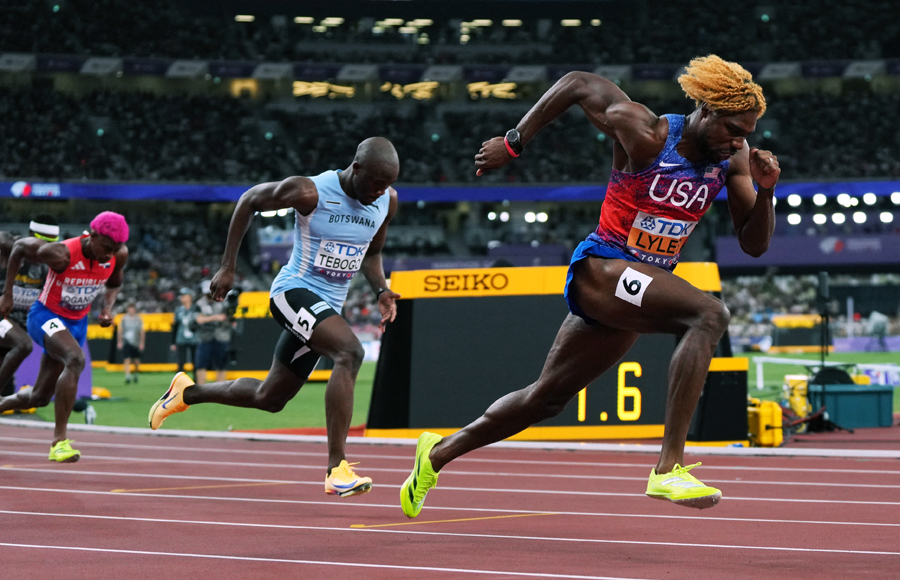
If you’re a regular SPB reader, you’ll be well aware of the value of adding some high-intensity interval training (HIIT) to your overall training protocol. In recent years, we have highlighted numerous studies in several articles showing that adding HIIT (short bursts of high- or very high-intensity effort up to 60 seconds with short rest intervals in between for recovery) to a training program can give endurance athletes of all abilities a real boost. In short, the evidence demonstrates that utilizing HIIT as part of your schedule can deliver significant performance gains in terms of maximal oxygen uptake, higher lactate thresholds (the maximum speed you can maintain before lactate-induced fatigue sets in), anaerobic power, time trial performance, improved body composition (ie lower body fat percentage) and improved cardiovascular health as measured by key blood markers such as cholesterol, lipids and glucose(1-5).
The long and short of HIIT
While HIIT is now a familiar training concept for most athletes, choosing a HIIT session is not quite as straightforward as it seems. That’s because HIIT work intervals can last from anything to an all-out 10-second sprint to a more leisurely (but still hard!) 60-second interval, which spans quite a range of physiological demands (see figure 1). That 10-second sprint is almost all reliant on the ATP-phospho-creatine energy system, which fuels muscles for very high-intensity/flat out work but for not much more than ten seconds or so. However, an interval lasting a minute or so is relying heavily on the lactate/anaerobic pathway for energy production with minimal input from the ATP/CP system. And while aerobic metabolism plays only a small role during that minute, it is involved in regenerating energy stores during the recovery period. In short, the length of your intervals in HIIT profoundly affects the energy system you are training, which results in different metabolic demands, both during and after a session.
Figure 1: Energy system used in maximal exercise by exercise duration
You need to be logged in to continue reading.
Please register for limited access or take a 30-day risk-free trial of Sports Performance Bulletin to experience the full benefits of a subscription. TAKE A RISK-FREE TRIAL

Andrew Hamilton
Latest Issue
Subscribe Today
Newsletter Sign Up
Testimonials
Dr. Alexandra Fandetti-Robin, Back & Body Chiropractic
Elspeth Cowell MSCh DpodM SRCh HCPC reg
William Hunter, Nuffield Health
Subscribe Today




Newsletter Sign Up

Coaches Testimonials
Dr. Alexandra Fandetti-Robin, Back & Body Chiropractic
Elspeth Cowell MSCh DpodM SRCh HCPC reg
William Hunter, Nuffield Health
Subscribe Today
Latest Issue
Keep up with latest sports science research and apply it to maximize performance
Today you have the chance to join a group of athletes, and sports coaches/trainers who all have something special in common...
They use the latest research to improve performance for themselves and their clients - both athletes and sports teams - with help from global specialists in the fields of sports science, sports medicine and sports psychology.
They do this by reading Sports Performance Bulletin, an easy-to-digest but serious-minded journal dedicated to high performance sports. SPB offers a wealth of information and insight into the latest research, in an easily-accessible and understood format, along with a wealth of practical recommendations.
*includes 3 coaching manuals
Get Inspired
All the latest techniques and approaches


Sports Performance Bulletin helps dedicated endurance athletes improve their performance. Sense-checking the latest sports science research, and sourcing evidence and case studies to support findings, Sports Performance Bulletin turns proven insights into easily digestible practical advice. Supporting athletes, coaches and professionals who wish to ensure their guidance and programmes are kept right up to date and based on credible science.
