
 close


 LOGIN
Fitness testing: look inside for the truth
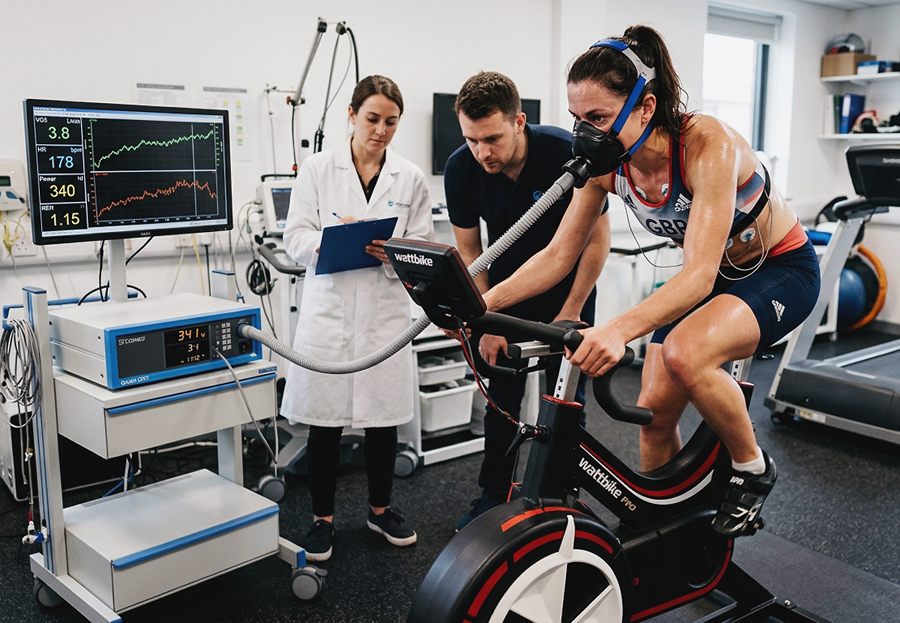
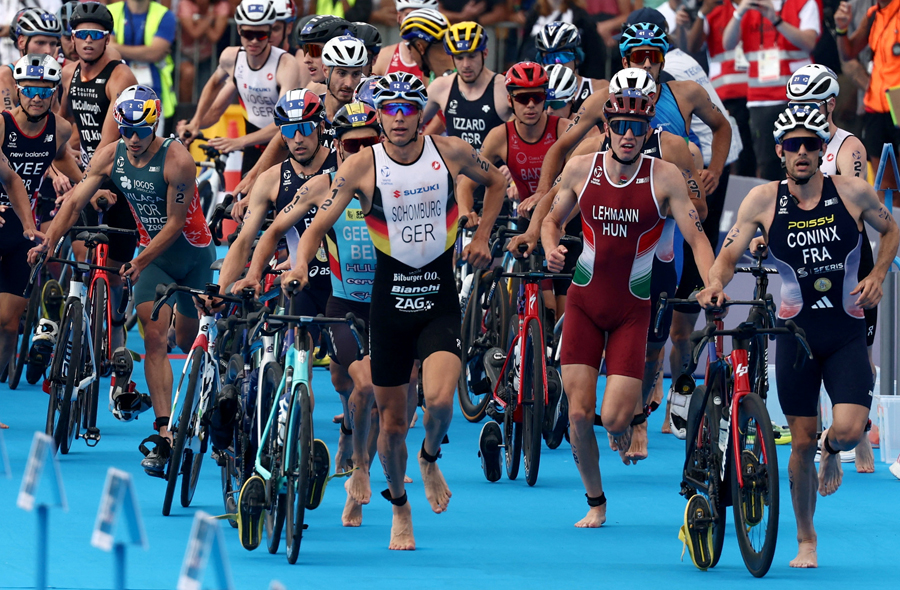
Is your training program is producing the fitness gains you desire? In fact, is it producing any fitness gains at all (you’d be surprised at how many don’t)? The acid test for competitive athletes is if your race times are coming down through the season, or are better this season than last season. But that assumes all your races are run in identical conditions on identical courses against identical components and at the same time of day, which actually has a significant impact(1). Besides, supposing you don’t race regularly or even at all? How do you know then?
Fitness testing
The key of course is measurement. If you can regularly measure one or two aspects of fitness that are key components of performance for your chosen sport or event, you can discover whether your fitness is increasing, has reached a plateau, or is even decreasing! This then allows you to make any necessary adjustments to your training program – for example to change the intensity distribution or increase/decrease training volume.
The problem with testing fitness however is that you often need to be able measure relatively small changes in performance – perhaps of a few percent – accurately enough to get a meaningful result rather than one that is just the product of measurement error and the day-to-day physiological variability that we all experience. For endurance athletes, aerobic (or cardiovascular fitness) is particularly difficult to get an accurate handle on(2). To perform a really accurate measurement requires skilled technicians in a laboratory setting, which is often impractical and almost always very expensive! However, some fascinating new research by a team of sports scientists from Quebec, Canada has just been published, which claims to present a very simple, accurate and elegant solution to the endurance fitness testing conundrum – at least for cyclists.
New fitness-testing research
The new research was published earlier this month in the ‘Journal of Sports Science’(3). It investigated the application and accuracy of a simple 8-minute submaximal (ie not requiring pedaling to exhaustion) fitness test for cyclists, requiring no other equipment than a heart rate meter and a power meter with a smart recording device to log power and heart rate data over the 8-minute period (most cycling computers already have this facility built in). What makes this test very different from most fitness testing however is the way it was designed.
Nearly all traditional submaximal tests typically fix some kind of external workload (eg power output, speed) and observe how the body responds physiologically. However, this approach can’t account for how an effort actually ‘feels’ internally (perceived effort – RPE, see figure 1) during that preset workload. RPE is known to be an important factor in performance because even at the same workload and same fitness, RPE can differ on different days and significantly affect overall performance. What this novel testing protocol does however is turn the traditional protocols on their head by fixing the RPE and seeing how the heart rate and power outputs respond to that.
How it works
To develop this test, the researchers gathered together a group of 21 cyclists, and instead of setting submaximal workloads, asked them to undertake the following 3-stage task:
· Two minutes of submaximal cycling at an RPE effort level they felt was ‘moderate’.
· Two minutes of submaximal cycling at an RPE effort level they felt was ‘hard’.
· Two minutes of submaximal cycling at an RPE effort level they felt was ‘very hard’.
During this task the average heart rates and the power outputs for each of the three stages was recorded, as well as for three stages as a whole (ie averaged for the 6-minute period). Following these stages with increasing effort, the cyclists were asked to rest for a further two minutes then perform an all-out maximum-effort sprint for six seconds to determine peak power output.
Table 1: RPE scale and effort levels
You need to be logged in to continue reading.
Please register for limited access or take a 30-day risk-free trial of Sports Performance Bulletin to experience the full benefits of a subscription. TAKE A RISK-FREE TRIAL

Andrew Hamilton
Latest Issue
Subscribe Today
Newsletter Sign Up
Testimonials
Dr. Alexandra Fandetti-Robin, Back & Body Chiropractic
Elspeth Cowell MSCh DpodM SRCh HCPC reg
William Hunter, Nuffield Health
Subscribe Today
Newsletter Sign Up

Coaches Testimonials
Dr. Alexandra Fandetti-Robin, Back & Body Chiropractic
Elspeth Cowell MSCh DpodM SRCh HCPC reg
William Hunter, Nuffield Health
Subscribe Today
Latest Issue
Keep up with latest sports science research and apply it to maximize performance
Today you have the chance to join a group of athletes, and sports coaches/trainers who all have something special in common...
They use the latest research to improve performance for themselves and their clients - both athletes and sports teams - with help from global specialists in the fields of sports science, sports medicine and sports psychology.
They do this by reading Sports Performance Bulletin, an easy-to-digest but serious-minded journal dedicated to high performance sports. SPB offers a wealth of information and insight into the latest research, in an easily-accessible and understood format, along with a wealth of practical recommendations.
*includes 3 coaching manuals
Get Inspired
All the latest techniques and approaches


Sports Performance Bulletin helps dedicated endurance athletes improve their performance. Sense-checking the latest sports science research, and sourcing evidence and case studies to support findings, Sports Performance Bulletin turns proven insights into easily digestible practical advice. Supporting athletes, coaches and professionals who wish to ensure their guidance and programmes are kept right up to date and based on credible science.
