
 close


 LOGIN
Distance running: speed matters for endurance
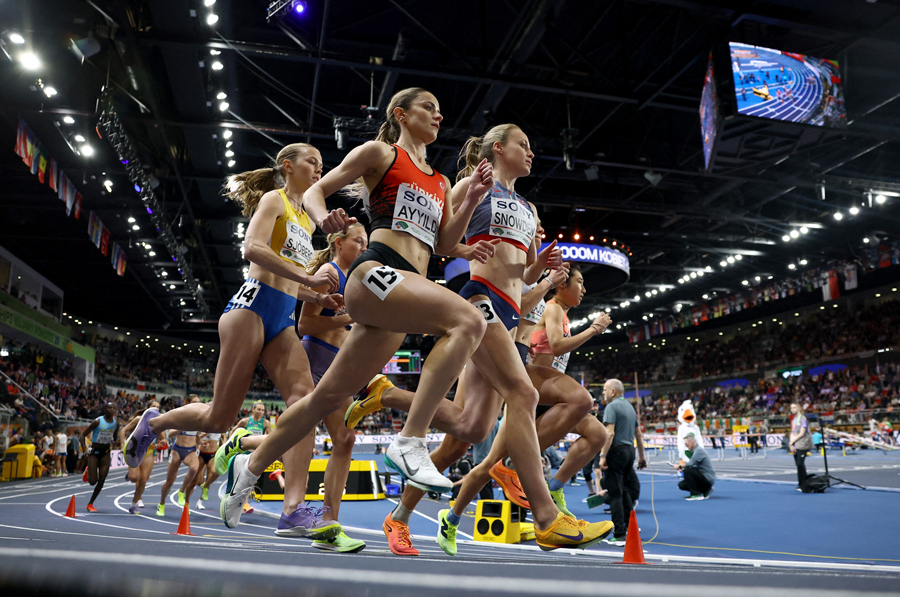
When it comes to improving endurance performance, what are the aspects of fitness that really count, and which athletes should focus on? Regular readers will no doubt be aware that maximal oxygen uptake (VO2max – the maximum capacity that an athlete can absorb, transport and deliver to working muscles for energy release) has long been considered absolutely pivotal(1). This is unsurprising since sustained endurance performance efforts of over ten minutes or so relies very heavily on the aerobic system, where muscular energy is derived directly from burning carbohydrate and fat using oxygen.
Other key factors in endurance performance
Another key component of fitness that is known to be important is ‘muscle economy’. High levels of muscle economy during activities such as running, cycling, swimming etc means that less oxygen is required to sustain a sub-maximal pace, which leads to less energy expenditure and less fatigue – in turn leaving more in the tank for the higher-effort sections of a race. Early research on cross-country runners discovered that just two factors – VO2max and running economy - could account for 92% of the variance in performance during an 8000m race(2). Also, running economy, like VO2max, has been used to estimate marathon pace in elite runners(3). In another study, researchers were mystified as to why the performances of elite Eritrean runners were consistently better than those of Spanish elites despite a similar VO2 max(4). Testing on both groups revealed that the key physiological difference was the exceptional running economy of the African runners; at 21kmh (13.0mph), the Eritreans needed to consume just 65.9mls of oxygen per kilo per kilometre - compared with 74.8mls of oxygen for the Spanish runners (see figure 1)!
Figure 1: Oxygen consumption per kilo per kilometre at 21kmh
You need to be logged in to continue reading.
Please register for limited access or take a 30-day risk-free trial of Sports Performance Bulletin to experience the full benefits of a subscription. TAKE A RISK-FREE TRIAL

Andrew Hamilton
Latest Issue
Subscribe Today
Newsletter Sign Up
Testimonials
Dr. Alexandra Fandetti-Robin, Back & Body Chiropractic
Elspeth Cowell MSCh DpodM SRCh HCPC reg
William Hunter, Nuffield Health
Subscribe Today


Newsletter Sign Up
Coaches Testimonials
Dr. Alexandra Fandetti-Robin, Back & Body Chiropractic
Elspeth Cowell MSCh DpodM SRCh HCPC reg
William Hunter, Nuffield Health
Subscribe Today
Latest Issue
Keep up with latest sports science research and apply it to maximize performance
Today you have the chance to join a group of athletes, and sports coaches/trainers who all have something special in common...
They use the latest research to improve performance for themselves and their clients - both athletes and sports teams - with help from global specialists in the fields of sports science, sports medicine and sports psychology.
They do this by reading Sports Performance Bulletin, an easy-to-digest but serious-minded journal dedicated to high performance sports. SPB offers a wealth of information and insight into the latest research, in an easily-accessible and understood format, along with a wealth of practical recommendations.
*includes 3 coaching manuals
Get Inspired
All the latest techniques and approaches


Sports Performance Bulletin helps dedicated endurance athletes improve their performance. Sense-checking the latest sports science research, and sourcing evidence and case studies to support findings, Sports Performance Bulletin turns proven insights into easily digestible practical advice. Supporting athletes, coaches and professionals who wish to ensure their guidance and programmes are kept right up to date and based on credible science.
