
 close
close


 LOGIN
LOGINSupplements for recovery: is creatine up to the job?
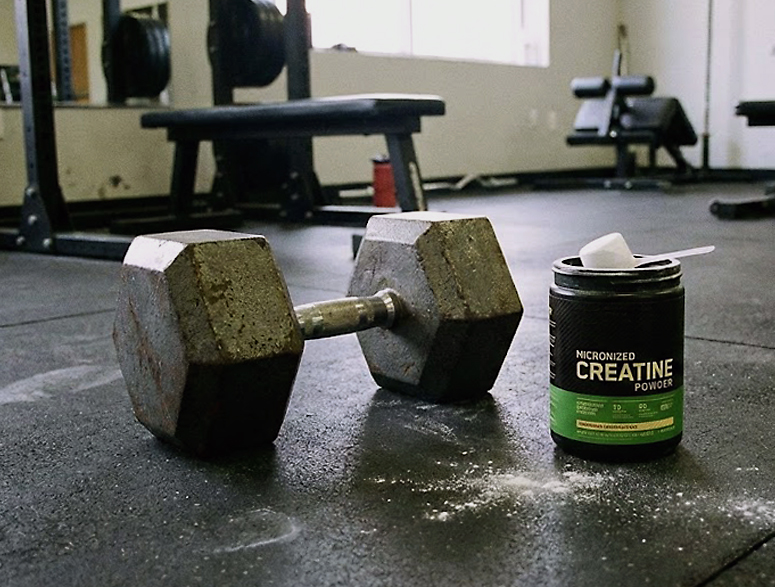
When it comes to sports nutrition, I am minded of a phrase often used by my very wise coach and mentor of many years ago. He used to say “Andrew, when it comes to sports nutrition, there are lies, damned lies and sports supplements.” While this sounded a bit cynical at the time, I gradually came to understand how much truth there was in what he said. The fact is, that when all the hype is stripped away and sports supplements are subjected to rigorous scientific testing, there are actually very few supplements that have consistently been shown to safely and legally improve performance. For endurance athletes, caffeine is a great example of a safe and legal supplement that is proven to enhance performance in the real world. However, for athletes who require strength, power, speed and mental acuity, another supplement that does exactly what it says on the tin is creatine.
Creatine research
Because creatine is so effective, it’s also one of the most widely studied sports supplements, and a topic that we have covered extensively in SPB (see these articles). Indeed, review studies that have gathered together all the prior research into creatine and athletic performance have concluded that creatine supplementation can benefit both high-intensity (anaerobic) and lower intensity (aerobic) performance, as well as boosting strength and muscle mass, especially in older athletes(1).
More recently, SPB contributor Andrew Sheaff highlighted very recent research from December 2025 on how athletes can best use creatine to optimize its positive impact on their performance (see this article)(2). One of the findings to emerge from this research was that creatine may positively impact recovery via reduced muscle protein breakdown rates – ie that part of the reason creatine is effective may be that it limits the amount of muscle protein breakdown following training. The research also hinted that - related to this - creatine may be able to speed up recovery following injury, surgery and/or immobilization, although this has only been clearly shown in animal models.
Creatine for recovery
Hot on the heels of the research highlighted above by Andrew, a new study by an international team of scientists has investigated whether a short-term period of creatine ingestion can indeed help accelerate recovery in trained strength athletes(3). Published in the Journal of the International Society of Sports Nutrition, the researchers investigated whether an initial dose of creatine followed by a further three days of supplementation was able to accelerate recovery and improve performance across repeated resistance-training sessions in trained males, reduce markers of fatigue during this period and accelerate recovery from lower-limb strength and soreness.
Study details
To carry out this study, 11 strength-trained athletes were recruited, ten of whom completed the study and whose data was analyzed. Using well resistance-trained athletes who were already accustomed to high-intensity lifting is especially relevant here because trained athletes often have less room for improvement than beginners, so any significant gains observed are more noteworthy – and likely applicable to other strength athletes. Importantly, this study also used a rigorous ‘double-blind, randomized, crossover design’. Basically, this meant that both the participants and the researchers were blind to who was taking the supplement or a placebo in each trial to avoid possible bias creeping in. And because every participant completed both the creatine and placebo phases of the study, each subject could serve as his own ‘control’, thus reducing the inter-individual variability factor.
What they did
All the participants completed two identical trials on two separate occasions, with at least seven days between the two trials. Each trial consisted of the following:
· Bench press (BP) and back squat (BS) tests performed at 60%, 70%, and 80% of one-repetition maximum (1RM).
· Strength performance tests (number of repetitions, movement velocity, and peak power).
· Jump tests consisting of countermovement jump (CMJ) and squat jump (SJ).
· Monitoring of peak heart rates, heart rate variability (HRV - a measure of fatigue/recovery, with higher levels of HRV indicating less physiological fatigue) and delayed-onset muscle soreness (DOMS).
The only difference between the two trials was what the participants consumed two hours before each trial and for the next 72 hours afterwards:
· Creatine trial - Participants ingested either 900mls of fluid containing creatine monohydrate (0.3g·per kilo of bodyweight per day), with the first day’s dose consumed two hours before the trial, and subsequent doses for the next three days divided into 3 x daily doses each does being 0.1g per kilo (totalling 0.3g per kilo per day).
· Placebo trial – exactly as above but without any added the creatine in the fluid.
As mentioned above, the order of the two trials was randomized for the athletes and neither the athletes nor the researchers knew which was being taken in either of the two trials. The overall experimental protocol is summed up in figure 1 below. In order to increase the validity of the findings, all the participants were instructed to refrain from food or drink (except water) two hours before testing and avoid other supplements on non-testing days. Adherence was tracked via a compliance log. In addition, the athletes were instructed to avoid creatine-rich foods, stimulants, gum, sweets, and alcohol for three days before testing; stay adequately hydrated; avoid strenuous exercise during the study period; and sleep at least eight hours per night.
Figure 1: Study and testing protocol
You need to be logged in to continue reading.
Please register for limited access or take a 30-day risk-free trial of Sports Performance Bulletin to experience the full benefits of a subscription. TAKE A RISK-FREE TRIAL

Andrew Hamilton
Latest Issue
Subscribe Today
Newsletter Sign Up
Testimonials
Dr. Alexandra Fandetti-Robin, Back & Body Chiropractic
Elspeth Cowell MSCh DpodM SRCh HCPC reg
William Hunter, Nuffield Health
Editor's Picks
Subscribe Today
Newsletter Sign Up

Coaches Testimonials
Dr. Alexandra Fandetti-Robin, Back & Body Chiropractic
Elspeth Cowell MSCh DpodM SRCh HCPC reg
William Hunter, Nuffield Health
Subscribe Today
Latest Issue
Keep up with latest sports science research and apply it to maximize performance
Today you have the chance to join a group of athletes, and sports coaches/trainers who all have something special in common...
They use the latest research to improve performance for themselves and their clients - both athletes and sports teams - with help from global specialists in the fields of sports science, sports medicine and sports psychology.
They do this by reading Sports Performance Bulletin, an easy-to-digest but serious-minded journal dedicated to high performance sports. SPB offers a wealth of information and insight into the latest research, in an easily-accessible and understood format, along with a wealth of practical recommendations.
*includes 3 coaching manuals
Get Inspired
All the latest techniques and approaches


Sports Performance Bulletin helps dedicated endurance athletes improve their performance. Sense-checking the latest sports science research, and sourcing evidence and case studies to support findings, Sports Performance Bulletin turns proven insights into easily digestible practical advice. Supporting athletes, coaches and professionals who wish to ensure their guidance and programmes are kept right up to date and based on credible science.
