
 close


 LOGIN
Soccer conditioning: which method is king?
Which type of fitness conditioning method results in the greatest on-pitch performance gains for soccer players? SPB looks at new research, which provides definitive and startling results!


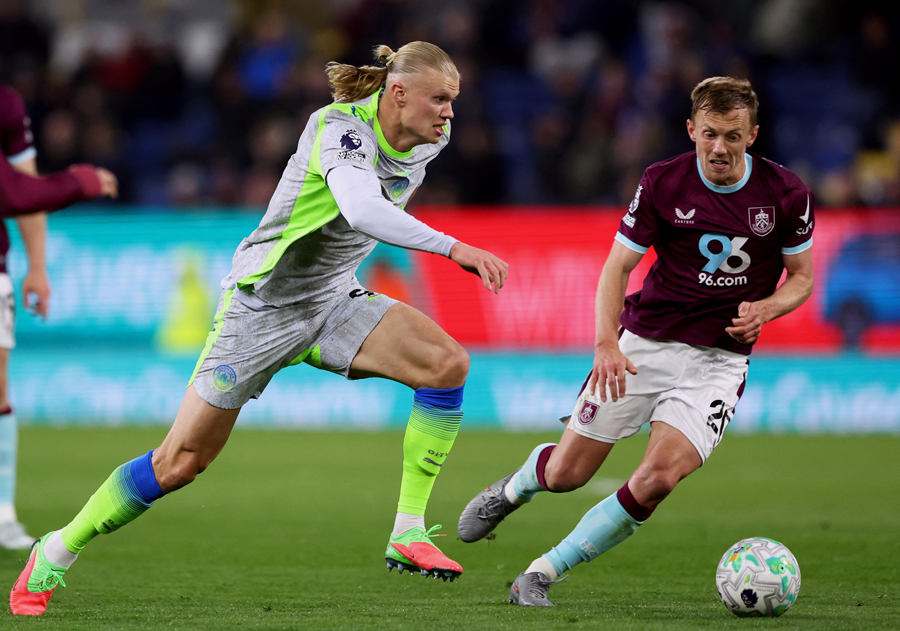
Competitive soccer in the modern era is a truly demanding sport, combining bursts of extremely high-intensity activity with man-to-man confrontation(1). Players therefore have to excel in strength, power, speed and agility – yet still have high levels of endurance to last for 90 minutes or even longer if extra time is played.
Analysis of elite soccer players shows that during match play, they must continuously perform a variety of complex movements including repeated short sprints of 10-30 meters (amounting to 30-60 sprints per match), more than 50 rapid decelerations per hour, as well as jumping duels, ‘physical contests’, and long-distance passes(2). Further analysis reveals that a player makes on average over 1,000 changes in playing activity during a game, which equates to a change in movement every four to six seconds.
The physical requirements during match play
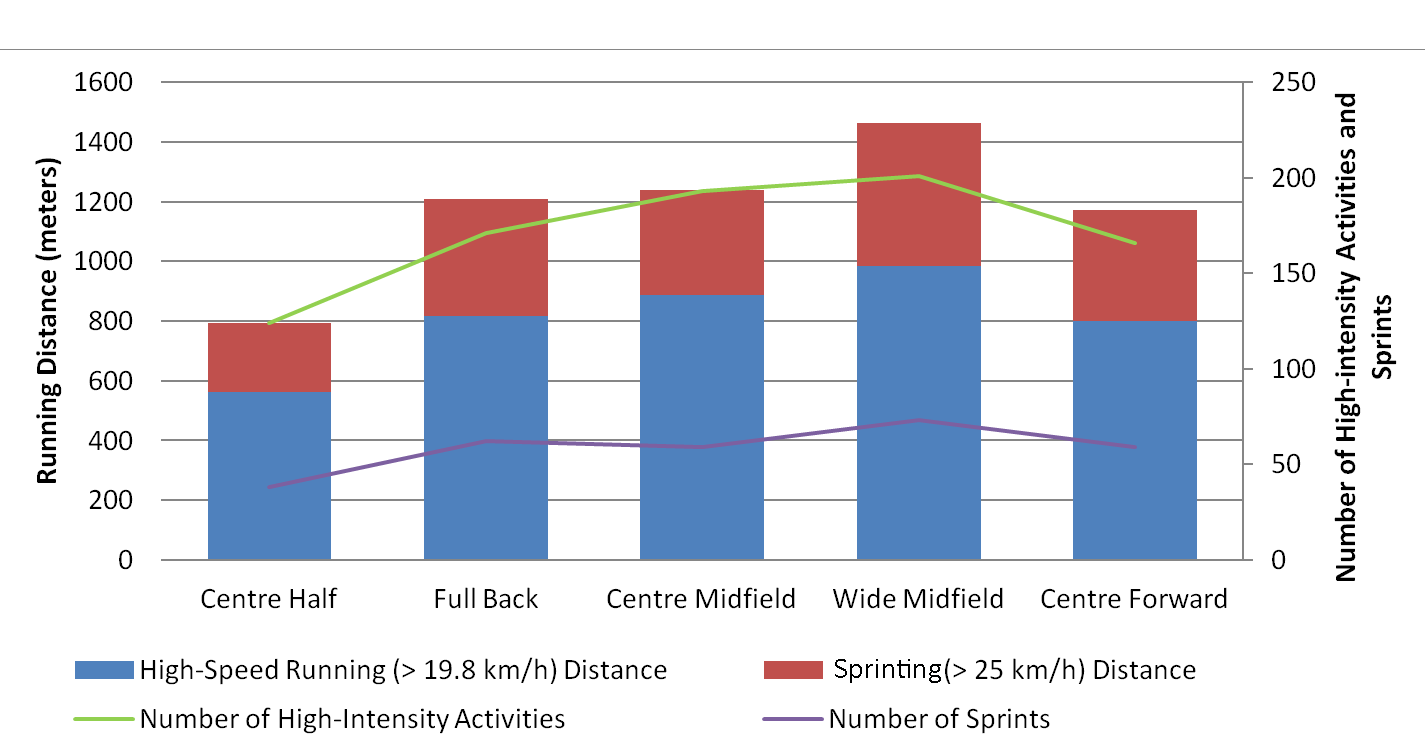
The total distance covered during a game while performing such variable activities typically ranges from 10 to 12km but it is important to note that it is the distance run at a high-intensity that is significant (see table 1). With the exception of central defenders (see figure 1), elite outfield players in the English Premiership typically run in excess of one kilometre (0.6 miles) at a high-intensity (over 19.8kmh or 12.5mph) during a game.
Table 1 – Running speed classification (as used by Prozone match analysis software)

Interestingly, the total distance covered during a soccer game is actually a poor gauge of the physical demand placed on a player as it largely consists of walking and jogging, which are not demanding activities for a trained athlete. Instead, it is the distance covered performing high-intensity running that is a more valid and reliable indicator of a player’s performance capability - even though it constitutes a much smaller proportion of a player’s activity profile. There are several reasons why this is true(3):
- During the second half of a game, the volume of high-intensity running can be 35 to 45% less than in the first half without a reduction in low-intensity running.
- Elite soccer players run further at a high-intensity during a game than moderate-standard players.
- It is during high-intensity periods of play that the outcome of a game is often decided.
When you add in the requirements for jumping, kicking, shielding and tackling, the structure of any training and conditioning program should be very much focused on improving a player’s strength and power, and the capability to perform intermittent high-intensity exercise.
Figure 1 – Positional breakdown of workload intensity during an English Premiership game
Conditioning needs for soccer
The demanding activity profile of soccer imposes exceptional requirements on multiple components of physical fitness, including aerobic endurance (to sustain prolonged activity), anaerobic capacity (to accommodate repeated high-intensity sprints), muscular strength (to support jumping and physical contact), and agility (to enable rapid changes in direction)(4). As a result, physical conditioning has become a decisive factor for performance during critical moments, and ultimately, match outcomes.
Consequently, the development of scientifically grounded training interventions aimed at precisely enhancing sport-specific physical qualities has become a central focus in soccer performance research. The obvious question of course, is what type or types of soccer conditioning programs deliver the best bang for buck? Ideally, any conditioning will produce significant gains in physical performance while still leaving the players plenty of time and energy for the all-important skills and tactics training – and of course, match playing!
This is a tricky question; players and coaches are often flooded with conflicting guidance regarding the ideal mix and balance of training methods – eg high-intensity interval training, moderate-intensity continuous running, circuit training, and heavy resistance exercise etc. In addition, some training approaches recommend high-frequency, high-intensity workouts throughout the week, whereas others favor lower intensities with much longer recovery intervals.
There also a balance to be struck; when training loads are excessive, players face increased risks of muscle soreness, systemic fatigue, and extended recovery windows that can compromise match performance. Conversely, insufficient physical conditioning can leave players vulnerable to late-game fatigue, reduced movement efficiency, and a reduced ability to execute the tactical requirements during critical moments of a match.
New research approach
One of the problems in identifying the best conditioning approach has been a lack of a unified framework to systematically evaluate and compare how all these different training & conditioning interventions influence soccer performance, therefore making it difficult to determine the most effective path forward. But now, newly published research by Chinese researchers at Beijing Sport University has used a sophisticated statistical method of analysis to come up with some definitive answers for players and coaches.
Published in the journal ‘Frontiers in Physiology’, this research used a technique called ‘Network Meta-Analysis’ (NMA), which is a technique allowing a number of previous studies to be combined and analyzed - even though these interventions may have used multiple (more than five) different training modes and dosage configurations – and which enables the simultaneous evaluation of multiple training configurations and their specific effects on various athletic performance indicators.
What they did
The first step was to define the different soccer conditioning approaches to be compared with each other. In the end, the researchers decided on five primary categories of exercise-based interventions:
· Heavy strength training
· Endurance training
· Small-sided games
· Power training
· Mixed training protocols.
They then set about scouring all the previously published research to identify studies that had used these interventions to determine the effectiveness of soccer conditioning approaches. To do this, all the major scientific databases were searched, including PubMed, EMBASE, Web of Science, the Cochrane Library, and OVID, covering any study published up until September 2025. To meet the criteria for inclusion, the studies had to:
· Have participants who were soccer players (of any competitive level).
· Had a physical training intervention primarily targeting strength, speed, endurance, or agility.
· Included a control or comparator group who underwent conventional soccer training without an intervention, or a different intervention as outlined above.
· Measured outcomes including at least one of the following performance indicators—1RM squat (max weight/force generated in the legs), countermovement jump and squat jump (height, to measure explosive lower-limb power), 5-meter, 10-meter or 30-meter sprint (times to assess speed and acceleration) T-test (for agility – see video below), VO2max test (to test maximum oxygen uptake capacity – eg shuttle-run test).
After screening out studies that did not meet rigorous criteria above, the researchers analyzed 53 randomized controlled trials comprising a total sample of 1,580 participants. Following this, the researchers carried out the network meta-analysis to assess the relative and comparative benefits of each type of soccer conditioning mode. By evaluating how each different conditioning type and conditioning dose influenced each of the outcome measures above, the researchers were able to generate clear comparative rankings to identify which conditioning modalities deliver the greatest overall athletic benefits to meet the demands of soccer players.
What they found
When the analysis was completed, one overriding finding emerged: it was strength training that was by far the dominant and most effective intervention for improving measures of raw strength, explosive power, and speed (see figure 2). In particular, strength training easily produced the greatest improvements in maximal squat strength, indicating that heavy resistance work as an indispensable foundation for building baseline lower-limb force production. The same was true for explosive vertical jumping measured by countermovement jump and squat jump performance (crucial performance indicators when it comes to players competing in aerial duels and rebounds). Here, strength training also consistently secured the highest probability of boosting performance among all tested interventions.
Speed and agility followed a nearly identical pattern. For acceleration (eg a 5-meter burst from stationary), intermediate sprint speeds over 10 meters, and longer sprint efforts of 30 meters, it was once again the strength training that proved superior to other conditioning interventions. In contrast (and as you would expect), when building cardiovascular and aerobic endurance, it was the endurance training interventions that demonstrated the greatest effectiveness. So while strength training is the key for building power, force and the ‘structural chassis’ of a team sport player, dedicated endurance conditioning is still needed for developing the high levels of aerobic power and endurance needed to ensure that players do not become fatigued towards the end of a match.
Figure 2: Interventions compared using rank and probability of effectiveness
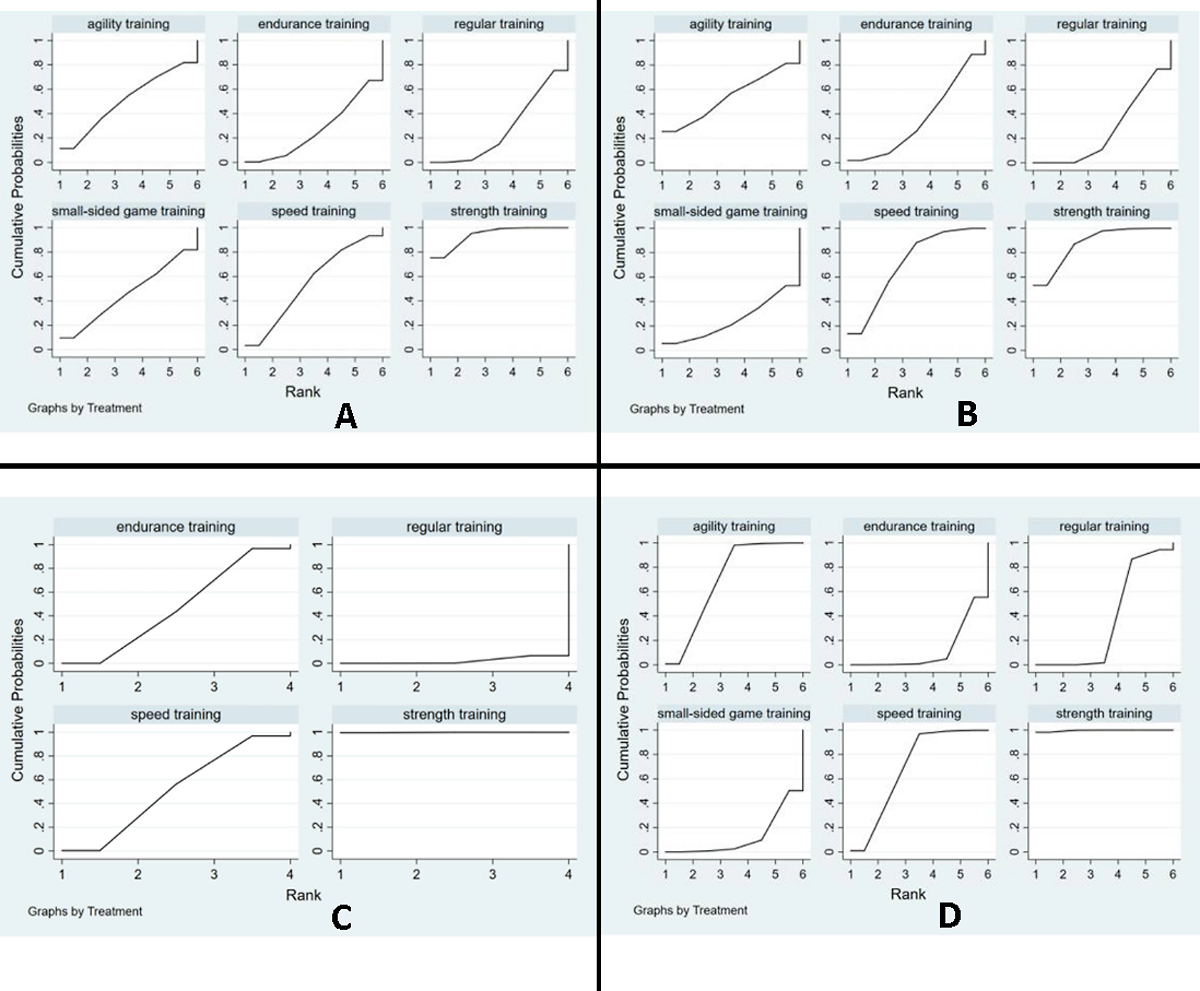
Graph A = countermovement jump; B = squat jump; C = 1-RM in the squat; D = 5-meter sprint (acceleration). In all four graphs, the probability of the intervention being most effective is shown on the vertical axis, with 0 ineffective compared to other interventions and 1 being the most effective. The horizontal axis represents the possible rank positions for the interventions being compared. Rank 1 represents the most effective training intervention.
For any given intervention line on the graph, the value on the Y-axis at a specific rank (on the X-axis) tells you the likelihood that this intervention will perform at that rank or better. In short, because we want the intervention to be ranked "1st" as often as possible, an intervention that stays higher up on the left side of the graph (closer to the top-left corner) is generally considered the most effective. You can see that in these four outcomes, strength training was easily the most effective!
Practical applications for team-sport players
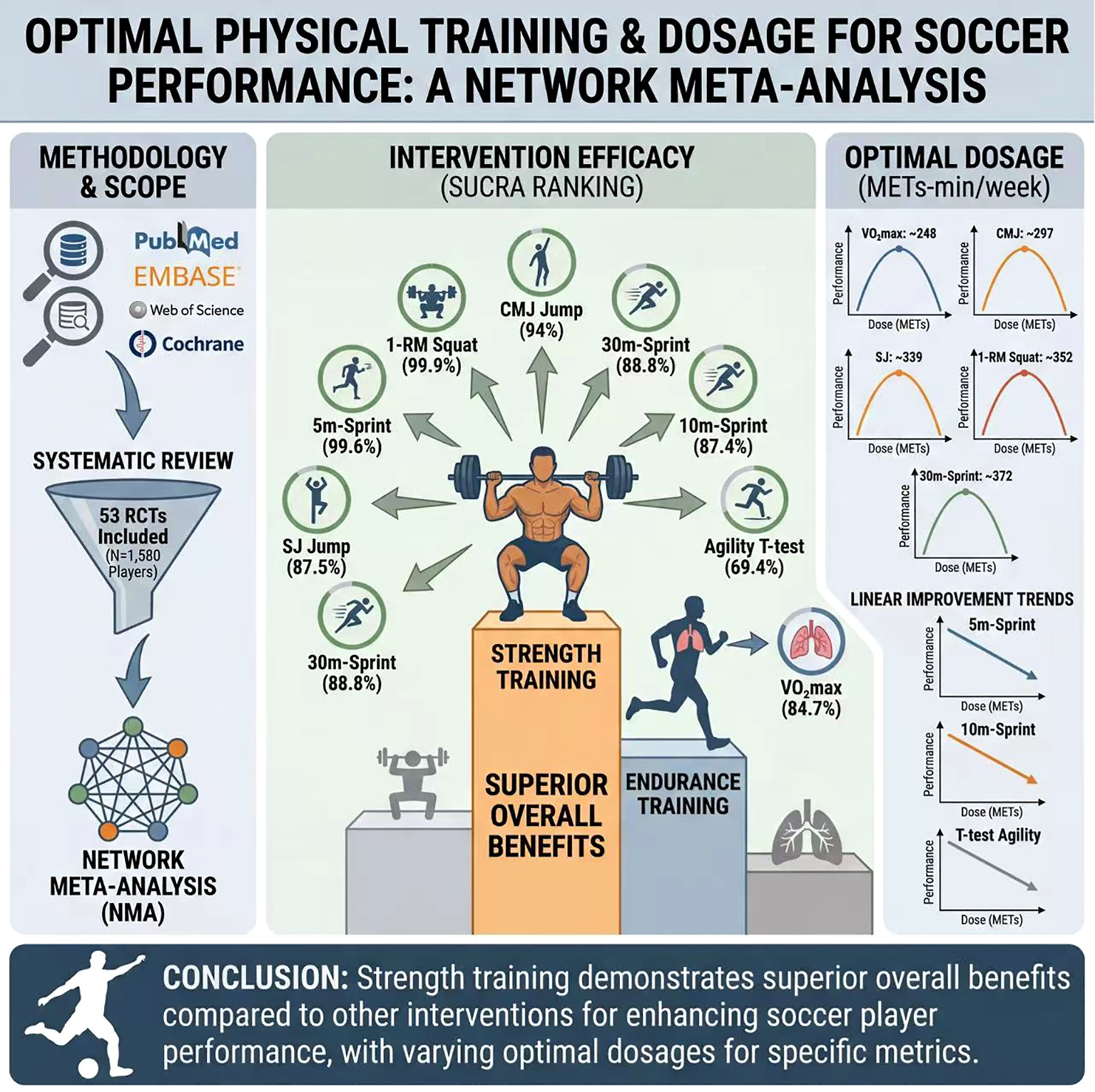
The key take-home message for team sport players such as soccer, rugby, basketball etc is that out of all the conditioning methods in the toolbox, it is strength training that is most likely by far to deliver the greatest overall benefits compared to other exercise interventions (see figure 3). Yes, some work on training endurance is also important, but strength training needs to be the number one conditioning priority. This finding can be explained by understanding a vital physiological principle: in these sports, the ability to accelerate and decelerate rapidly depends on the magnitude of force an athlete can apply to the ground. The same is true for agility and change of direction: greater lower-body strength and power allows athletes to decelerate more forcefully, absorb impact safely, and re-accelerate in a new direction in the fastest possible timeframe.
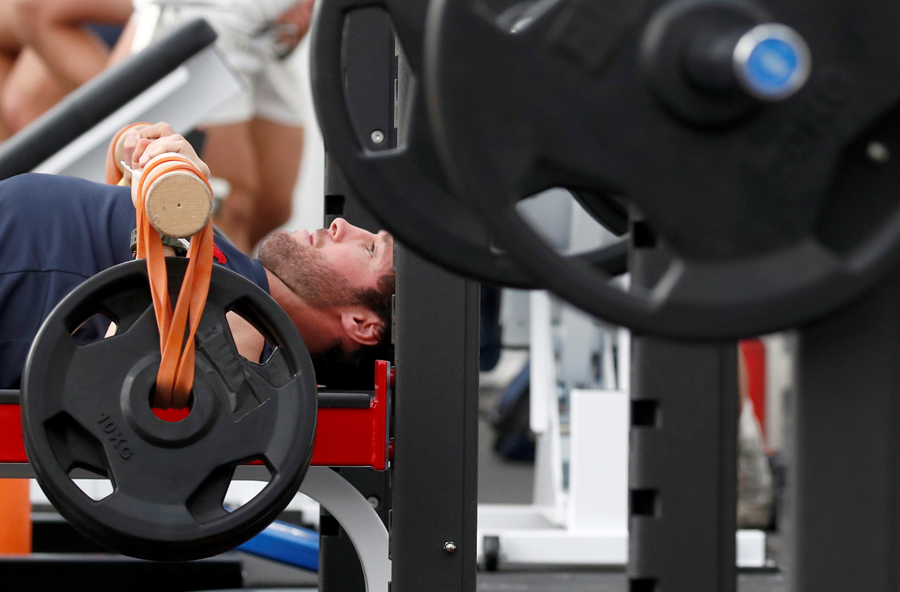
In terms of practical application, this means that team sport coaches and players need to make strength training the central pillar of any conditioning program. Yes, endurance training and agility focused drills also have a role to play, but strength training should be first and foremost. Heavy strength exercises such as squats, leg press, deadlifts, lunges etc will develop lower limb strength and power, improving acceleration, top-end sprint speed, jumping ability, and agility. Resistance routines should combine heavy lifting (to build maximum force capacity) with explosive, velocity-focused exercises (such as jump squats or Olympic weightlifting derivatives) to ensure that the resulting strength gains can be effectively successfully converted into more power, acceleration and agility on the pitch.
Figure 3: Summary of the study protocol and its findings
Depending on the training background and playing level of the players, a sensible approach suggested by the dosage data from this study is that players should incorporate dedicated lower-body resistance sessions two or maybe three times per week during the off-season and pre-season, reducing to a maintenance schedule of one or perhaps a couple of sessions per week during the competitive season, provided these can be scheduled well away from competition (at least three days before) to ensure match freshness. Conditioning to enhance endurance should not be avoided but is best developed by intense bursts of efforts (eg high-intensity interval training), which better replicate the ‘intense efforts interspersed with active recovery periods’ nature of soccer matches. By contrast, long, steady, low-intensity bouts of continuous running do not properly mirror match demands, and may even blunt the potential strength and power adaptations of players’ strength training. As always, scheduling in and managing recovery is absolutely vital, which is where the skill and planning of the coach comes in – to make sure that enough rest is taken at the right times to allow full recovery and maximum performance on each match day through the season!
References
1. Introduction: ‘Exploring the FIFA World Cup Qatar 2022’ (Singapore: Springer). doi: 10.1007/978-981-97-8414-1_1
2. J. Phys. Educ 2024. Sport24, 226
3. ’Managing high-speed running load in professional soccer players’ SPSR 2019 March (53) volume 1
4. Sports Med 2024.54. doi: 10.1007/s40279-024-02088-z
5. Front. Physiol. 06 July 2026 Volume 17 doi.org/10.3389/fphys.2026.1791257


Latest Issue
Subscribe Today
Newsletter Sign Up
Testimonials
Dr. Alexandra Fandetti-Robin, Back & Body Chiropractic
Elspeth Cowell MSCh DpodM SRCh HCPC reg
William Hunter, Nuffield Health
Subscribe Today

Newsletter Sign Up

Coaches Testimonials
Dr. Alexandra Fandetti-Robin, Back & Body Chiropractic
Elspeth Cowell MSCh DpodM SRCh HCPC reg
William Hunter, Nuffield Health
Subscribe Today
Latest Issue
Keep up with latest sports science research and apply it to maximize performance
Today you have the chance to join a group of athletes, and sports coaches/trainers who all have something special in common...
They use the latest research to improve performance for themselves and their clients - both athletes and sports teams - with help from global specialists in the fields of sports science, sports medicine and sports psychology.
They do this by reading Sports Performance Bulletin, an easy-to-digest but serious-minded journal dedicated to high performance sports. SPB offers a wealth of information and insight into the latest research, in an easily-accessible and understood format, along with a wealth of practical recommendations.
*includes 3 coaching manuals
Get Inspired
All the latest techniques and approaches


Sports Performance Bulletin helps dedicated endurance athletes improve their performance. Sense-checking the latest sports science research, and sourcing evidence and case studies to support findings, Sports Performance Bulletin turns proven insights into easily digestible practical advice. Supporting athletes, coaches and professionals who wish to ensure their guidance and programmes are kept right up to date and based on credible science.
