
 close
close


 LOGIN
LOGINHAMS: hydration hype or hydration heaven?
SPB looks at new research into a product known as ‘high-amylose maize starch’, which is claimed to supercharge hydration and performance in the heat. But does it actually deliver?


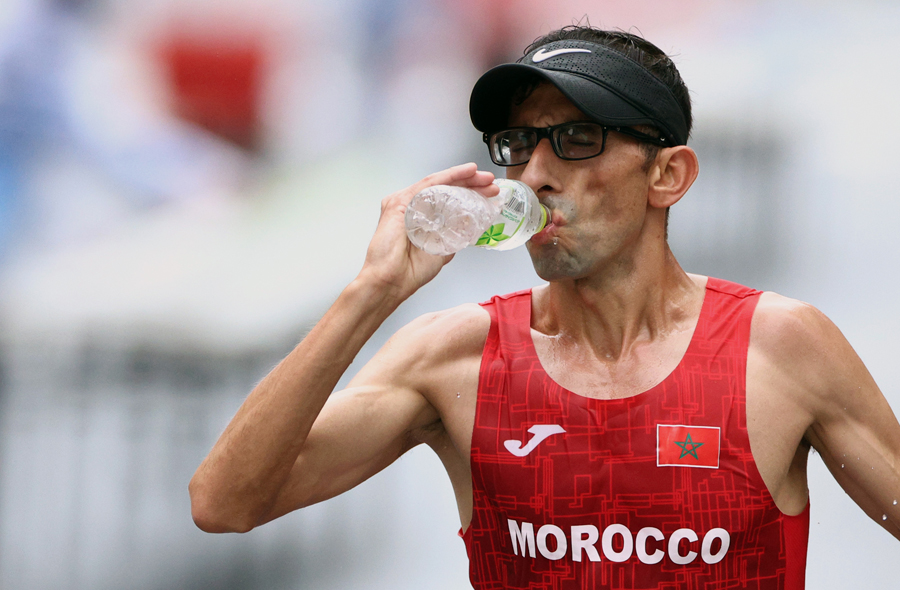
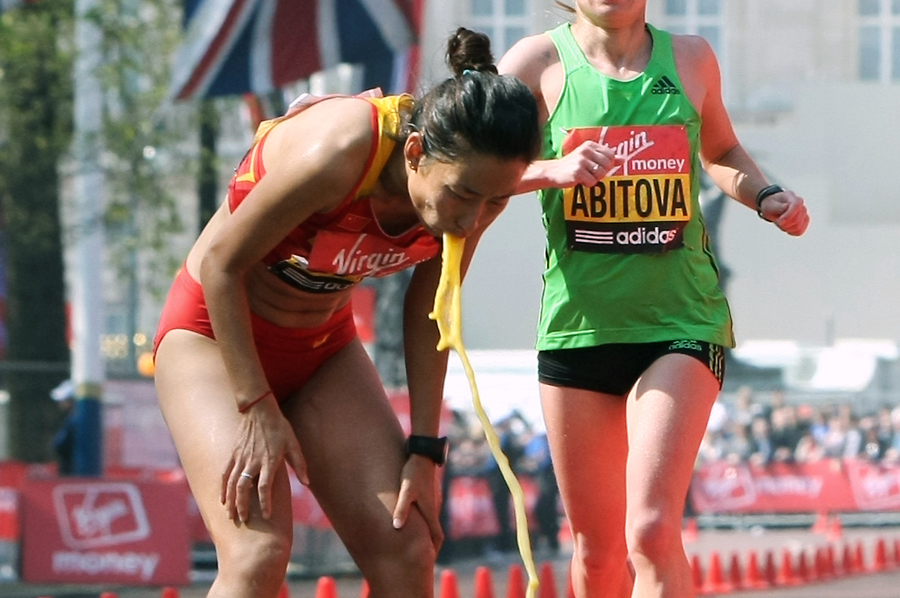
Here in the northern hemisphere, the prospect of summer heat and sunshine is still at least three months away. However, if that event you’re training for now takes place in the summer months, you’ll need to think about how to prepare for any potential heat. Of course, the human body can be very well adapted to coping with hot weather exercise thanks to the ability to perspire through the skin. Due to the physical properties of water - notably its very high ‘latent heat of evaporation’ – evaporating water from sweat on the skin can remove large amounts of heat, thereby helping to regulate the body’s core temperature. However, the sweating mechanism also means that water losses from the body can be greatly increased, which in turn means that the role of hydration before, during and after exercise becomes critically important.
Hydration matters
In an early article on this topic, we highlighted some of the key research on hydration for athletes. Some of the findings we reported were as follows:
· A US study that looked in to the effects of 5% (ie quite severe) dehydration on running economy (biochemical efficiency of muscles during sub-maximal running) during a 10-minute run(1). It found no significant differences in running economy between fully hydrated and 5% dehydrated states at any workload. Likewise, there were no differences in perceived rates of exertion or in post-exercise lactate concentration;
· A study on basketball players performing 2-hour exercise sessions in hot conditions(2). Compared with full hydration, a dehydration level of just 2% adversely affected the players’ shooting skills and performance in other maneuvers requiring high levels of motor skills;
· A study on uphill cycling that compared the performance of well hydrated and 3.5% dehydrated cyclists during an uphill ride to exhaustion trial(3). Although the dehydrated cyclists had better power-to-weight ratios, their core temperatures and heart rates at a given workload were higher, and their times to exhaustion were 13.8% poorer;
· A study on runners that looked at the effects of 5% dehydration vs. full hydration on the hormonal responses to training – specifically the levels of testosterone, cortisol and the testosterone/cortisol ratio(4). This showed that while a 5% dehydrated state didn’t seem to measurably increase physiological stress during exercise or affect testosterone concentrations before, during, or after exercise, pre and post-exercise cortisol concentrations were increased in the dehydrated runners, indicating an increased likelihood of muscle tissue breakdown (a bad thing!).
In summary, while athletes may get away with up to 2% fluid loss, higher dehydration levels could result in reduced performance, even allowing for a potential gain in power to weight ratio. By contrast, athletes whose sports involve a large skill component should aim for minimal dehydration – even a 2% fluid loss may be too much to maintain optimum performance.
Maintaining hydration
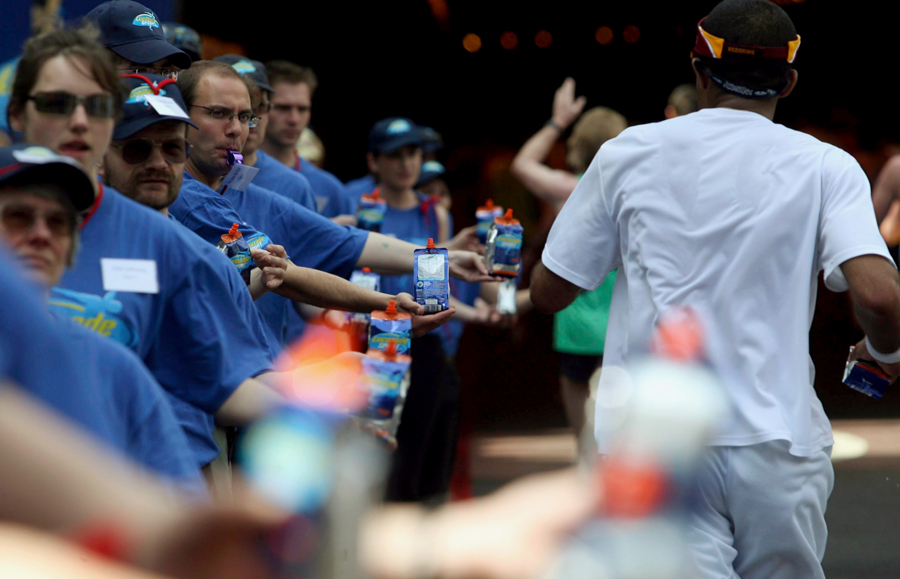
One key recommendation given to athletes is to ensure that they start their event thoroughly hydrated, especially in endurance events such as marathons and triathlons, where carrying extra fluid is difficult or where drink stations are not available. Because of this need, some athletes have experimented with taking onboard extra fluid before an event in order to start the race ‘hyper-hydrated’. A temporary state of hyper-hydration can easily be achieved by drinking lots of water in excess of the body needs. However this water-induced hyper-hydration is very transitory; the drop in osmolarity (blood concentration) that occurs stimulates the kidneys to remove most of the excess water within an hour, and this in turn means frequent trips to the loo – hardly conducive to fast race times!
Back in the 2000s, the use of a compound called ‘glycerol’ to achieve hyper-hydration became quite popular for a while. This practice gained traction following the 2004 Athens Olympic Women’s Marathon. Those who are old enough may remember the almost unbearable image of Paula Radcliffe sitting in a very hot (39C/102F) and sunny Greek gutter, sobbing her heart out as her Olympic dreams lay in tatters. Although she had been the lead most of the way, Radcliffe collapsed at the 36km mark after having just been passed by the American athlete Deena Kastor, who according to some sources had used glycerol in her pre-race preparation to enhance and maintain hydration.
Glycerol itself is a sweet tasting clear syrupy liquid, but it also possess another property; namely that when mixed with water solutions, it is able to increase their concentration or more technically, osmolarity. Because the human body requires the osmolarity of body fluids to remain fairly constant, ingesting glycerol stimulates the absorption and retention of water. Importantly, ingesting a solution of glycerol and water doesn’t cause the dilution and drop in osmolarity that drinking pure water alone would produce, which means the ingested water is retained by the body and only excreted when the extra glycerol is either removed by the kidneys or broken down by the body(5).
Research had previously shown that adding glycerol to water ingested before an event can prolong the period of hyper-hydration for up to four hours, which also explains the use of glycerol by athletes seeking to enhance endurance performance in hot weather conditions(6). Despite this however, the use of glycerol largely fell out of favour as the research on its performance benefits was far from convincing. Yes, hyper-hydration with water and glycerol did seem to improve fluid retention and markers of hydration for longer during an exercise bout, but in a number of studies, this didn’t seem to translate into actual performance benefits(7-9). Overall, the evidence suggested that the use of glycerol for hyper-hydration was only of potential value for very long events held in very high levels of heat and humidity, and even then it was debateable. To further complicate matters, glycerol ingestion can come with side effects such as stomach upsets, together with headaches and blurred vision at higher doses.
HAMS: a hyper-hydration alternative?
In recent years, alternative products claimed to aid hydration have appeared on the market including drinks containing a substance known as ‘high-amylose maize starch’ (or HAMS for short). HAMS consists of long-chain carbohydrates but with a high proportion of ‘resistant starch’. Unlike most carbohydrates, which are readily digested in the small intestine, resistant starch travels undigested down to the large intestine where it is fermented by the naturally occurring gut bacteria in this part of the intestine. This fermentation process produces short-chain fatty acids such as acetate, propionate, and butyrate(10). These short-chain fatty acids have the ability significantly enhance the absorption of sodium and water across the colonic wall thereby improving hydration. This explains why HAMS ingestion has been studied as a potential treatment method for cholera and chronic diarrhoea(11-12), where dehydration may become serious or even lethal.
This ability to enhance hydration via the large intestine route has prompted sports scientists to ask whether pre-loading with HAMS before exercise might help hydration during exercise by creating an ‘internal reservoir’ of water, which is then slowly released back into the body during the later stages of an event. Although this sounds like a plausible theory and one that could practically applied, there’s been almost no research into HAMS and hydration in a sports setting.
In fact, the only previous study in the literature was carried out in 2018, where researchers compared the use of a conventional pre-exercise sports hydration drink to pre-exercise HAMS in Australian Rules soccer players(13). It found that pre-exercise HAMS ingestion was able to significantly improve key markers of hydration like hematocrit concentration and body weight during intense/hot summer training compared to a conventional hydration drink. These better hydration markers were observed not only at the end of training, but also following a subsequent recovery period and also prior to the start of training. However, while very encouraging from a hydration standpoint, the researchers didn’t investigate whether HAMS ingestion resulted in actual performance gains.
New research
For answers as to whether HAMS ingestion can help exercise performance – specifically endurance performance - in the heat, we can turn to brand new research by a team of Aussie scientists from Monash University(14). Published in the ‘International Journal of Sports Nutrition and Exercise Metabolism’, the researchers set out to investigate whether a sports drink containing HAMS was able to improve fluid balance, reduce core temperature and enhance exhaustive running performance in the heat as part of an overall hydration protocol when compared to using a conventional sport drink. The researchers also looked to see whether HAMS ingestion increased the incidence or severity of gastrointestinal symptoms.
What they did
In this study, ten 10 endurance-trained runners (8 men and 2 women) were recruited for investigation. To be sure the participants were able to complete the rigorous heat stress protocol in the study, only runners who had been in regular training and with adequate fitness levels were included. In a random order, all the participants completed two trials on two separate occasions: one where they consumed HAMS prior to the exercise protocol and one where they consumed an identical tasting and looking placebo. Because all the participants performed both the placebo and the HAMS trial (a so-called ‘crossover’ design), each was able to serve as his/her control. This eliminates the individuality factor, thereby making the results more scientifically robust. These two trials were also separated by a ‘washout’ period of a few days to ensure that there were no effects carried over from the first trial to the second. The two exercise protocols were identical apart from consuming HAMS or placebo and were as follows:
· Hydration in the pre-exercise phase - 12 hours before the exercise session, participants followed a hyper-hydration protocol. They consumed 25mls per kg of body mass (eg 2 litres for an 80kg athlete) of either the HAMS beverage (containing 12.7g of resistant starch) or a matched placebo.
· Heat stress session - participants performed a 2-hour steady-state run at an intensity of 60% of their maximum oxygen uptake, with the environment controlled to simulate a hot, humid race day (temperature around 30C and 35% relative humidity).
· Performance test - immediately after the 2-hour run, participants performed a ‘time-to-exhaustion’ test to assess their endurance capacity following the heat stress session.
· Post-exercise recovery - following the performance test, the participants underwent a rehydration protocol where they replaced 150% of their fluid loss (measure by before/after weighing) over a 3-hour period. During this period, they consumed either a HAMS recovery beverage (6.2g of resistant starch) or a placebo.
To assess the benefits or otherwise of HAMS ingestion, the runners underwent a series of measurements. Firstly, body mass changes were used to calculate net fluid balance, and therefore hydration levels. Blood samples were taken to measure blood plasma volume changes and plasma osmolality (another measure of hydration). The runners’ core and skin temperatures were monitored throughout the 2-hour run to how much thermal stress they were experiencing. Crucially, endurance performance was also measured in terms of how they fared in the time-to-exhaustion test – ie to see if any superior measures of hydration achieved by ingesting HAMS translated into improved (longer) times to exhaustion. Finally, all the runners were asked to report on the presence and severity of any gastric distress symptoms (such as bloating, nausea, abdominal pain) experienced at any stage of the two trials.
What they found
When all the data had been gathered and number crunched, the results left the researchers rather surprised (to say the least!) and here’s why:
· Compared to the placebo drink, ingesting HAMS did NOT improve fluid balance (measured by weight) in the runners in any way at any time during the HAMS trial. In short, they were no better hydrated in the HAMS trial than in the placebo trial.
· The inability of HAMS to provide superior hydration was also reflected in the fact the blood plasma concentrations and osmolality were no different between the HAMS and placebo trials. Moreover, rehydration efficiency was nearly identical in the two trials.
· When it came to thermal stress, once again there were no differences between the HAMS and placebo drinks – ie ingesting HAMS did not lower core and skin temperatures compared to placebo.
· Importantly, the runners’ performances in the time-to-exhaustion test were NOT improved by HAMS ingestion. In fact, the runners actually ran slightly longer in the placebo trial (1,343 seconds) compared to the HAMS trial (1,190 seconds) - although this difference was not statistically significant (suggesting it probably arose by chance).
· Finally, there were no differences in gastric distress during the HAMS and placebo trials, suggesting that HAMS is no better or no worse for the tummy than a standard hydration drink.
Practical advice for endurance athletes
The findings from this new research were unequivocal: using a HAMS-based hydration drink did not appear to offer any hydration or performance gains over and above a conventional hydration drink when used by runners in hot conditions – nor were there benefits in terms of reducing gastric distress. The researchers put forward various reasons as to why the HAMS supplementation was a flop (or at least offered no additional benefits) such as a different starch concentration/configuration to that used in previous studies, and the extended time it takes for the starch to reach the lower intestine. Also, because the task set for the runners was very demanding, it may have been the runners’ natural mechanisms for fluid retention were already working highly efficiently, leaving little room for a nutritional supplement to provide additional improvement.
Regardless, this research strongly suggests that while resistant starch (HAMS) has been successful for rehydration in a clinical/medical setting (eg for treating acute diarrhoea), its benefits do not necessarily translate to healthy, well-hydrated athletes! If you’re an athlete or a coach advising athletes in your care, the recommendation for now is to stick to established hydration protocols using water and electrolyte/sodium-based drinks as recommended by current sports nutrition guidelines (see this article for guidelines). This is particularly the case given the price premium that novel sports nutrition products tend to attract. However, if you want to experiment with a HAMS drink, you can at least do so without worry about experiencing higher levels of gastric distress - provided the dosage is moderate. As always however, make sure you test any new dietary starch in training first – never try something new when engaging in competition!
References
1. Med Sci Sports Exerc. 2006 Oct;38(10):1762-9
2. Med Sci Sports Exerc. 2006 Sep;38(9):1650-8
3. Med Sci Sports Exerc. 2007 Feb;39(2):323-9
4. Int J Sports Med. 2006 Oct;27(10):765-70
5. Journal of Applied Physiology 1995, 79, 2069-2077
6. Medicine and Science in Sports and Exercise 1990, 22, 477-483
7. Med Sci Sports Exerc 2003, 35(1): 150-6
8. Pflugers Arch 2003, 446(4): 455-62
9. Journal of Sports Science and Medicine 2002, 1, 96 – 102
10. Am J Clin Nutr. 2007 Oct;86(4):1146-51
11. J Pediatr Gastroenterol Nutr. 2006 Apr;42(4):362-8
12. PLoS One. 2008 Feb 13;3(2):e1587
13. J Int Soc Sports Nutr. 2018 Sep 21;15(1):46
14. Int J Sport Nutr Exerc Metab. 2026 Jan 22:1-11. doi: 10.1123/ijsnem.2025-0053. Online ahead of print
Related Files


Latest Issue
Subscribe Today
Newsletter Sign Up
Testimonials
Dr. Alexandra Fandetti-Robin, Back & Body Chiropractic
Elspeth Cowell MSCh DpodM SRCh HCPC reg
William Hunter, Nuffield Health
Subscribe Today
Newsletter Sign Up

Coaches Testimonials
Dr. Alexandra Fandetti-Robin, Back & Body Chiropractic
Elspeth Cowell MSCh DpodM SRCh HCPC reg
William Hunter, Nuffield Health
Subscribe Today
Latest Issue

Keep up with latest sports science research and apply it to maximize performance
Today you have the chance to join a group of athletes, and sports coaches/trainers who all have something special in common...
They use the latest research to improve performance for themselves and their clients - both athletes and sports teams - with help from global specialists in the fields of sports science, sports medicine and sports psychology.
They do this by reading Sports Performance Bulletin, an easy-to-digest but serious-minded journal dedicated to high performance sports. SPB offers a wealth of information and insight into the latest research, in an easily-accessible and understood format, along with a wealth of practical recommendations.
*includes 3 coaching manuals
Get Inspired
All the latest techniques and approaches


Sports Performance Bulletin helps dedicated endurance athletes improve their performance. Sense-checking the latest sports science research, and sourcing evidence and case studies to support findings, Sports Performance Bulletin turns proven insights into easily digestible practical advice. Supporting athletes, coaches and professionals who wish to ensure their guidance and programmes are kept right up to date and based on credible science.
