
 close
close


 LOGIN
LOGINInterval training for team sport: why rest matters
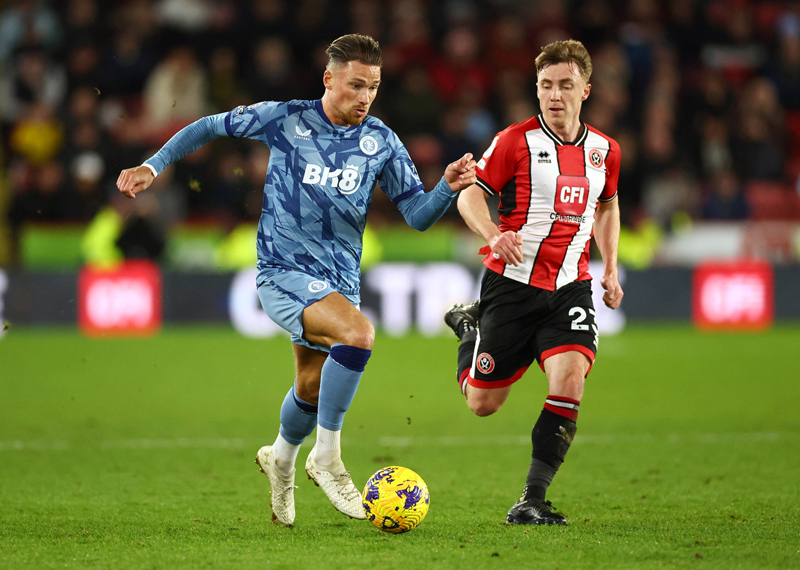
In recent years, a growing body of evidence has accumulated showing that performing regular bouts of high-intensity interval training is an extremely effective training tool for athletes seeking to maximize performance for a relatively low training workload(1). Put simply, short sessions of high-intensity intervals are a great way of producing gains in aerobic power, enabling an athlete to sustain a higher intensity/pace/workload for longer before fatigue sets in. What’s less clear however is the optimum recipe of an interval program for maximizing gains.
How long, how hard?
That high-intensity interval training (HIIT) is effective is not in doubt. However, what’s much less certain about HIIT is how a session should be put together for maximum fitness gains? There are many variables to that come together when constructing an interval session. These include(2,3):
· Interval duration – how long should each work interval be?
· Intensity – how hard should each work interval be (this can be measured in terms of speed, power or heart rate)?
· Interval numbers - how many intervals should the session contain?
· Rest duration – how long should each rest period in between each work interval be?
· Rest type – active or passive
· Total interval training time per week
The short answer to the above is that we cannot actually say what the perfect recipe is. Given that each of the six variables above can be manipulated in so many ways, there are literally thousands of possible ‘recipe’ permutations, making it impossible for scientists to provide a definitive answer (so far). And even if we did know, it would likely depend on the type of event an athlete is training for.
What we can do however is identify the characteristics of interval sessions that are likely to produce good gains in fitness. And when we do that, we can use the findings from existing research demonstrating that best training effects in terms of improving fitness (ie increased stroke volume and oxygen delivery around the body), is achieved at training intensities between 85%–95% of maximum heart rate(4,5), and possibly even higher(6). In other words, designing an interval session that manages to raise heart rates to around 90% or even 95% of maximum for a reasonable period of time is likely to produce a better training effect that an interval session that does not.
HIIT and rest periods
If we now consider HIIT as a mode of interval training, we can see why it is effective; the intense nature of the intervals in a session means that an athlete performing them will experience a more rapid rise and greater increase in heart rate during each interval, which will mean a greater time proportion of each interval will be spent above 90% maximum heart rate. Of course, in very intense intervals, each interval duration will be likely be shorter than a lower-intensity interval session, so the total time accumulated above 90% maximum heart rate might not be that much greater. However, as a proportion of the total work performed, HIIT provides an excellent way of ensuring an effective training stimulus.
However, something that also becomes apparent is the effect of rest period lengths on the overall impact of a HIIT session. For any given interval duration, a shorter rest length in between intervals means less time for heart rate to fall following each interval, which in turn means that the total time accumulated above the 90% maximum heart rate threshold is increased – ie the potential benefits are increased. But of course, this is counterbalanced by less recovery time and greater accumulated fatigue. Less recovery and more fatigue inevitably mean that the number of intervals that can be completed in a session falls, and this means less total work done. If the total work performed declines too much, the training stimulus may be insufficient to reap the potential rewards of a HIIT session. In effect, interval numbers, intensity and rest length have to be balanced to give the desired outcome.
High intensity intervals for team sport
One area of sport where getting the balance between rest period length and total number of quality interval completed can be particularly tricky is team sports – for example soccer, rugby, hockey etc. These sports are characterised by high intensity bursts of activity, interspersed by lower intensity activity and stoppages in play of various lengths(7). Moreover, research shows that the ability to perform at high intensity, recover adequately between intense bursts and to repeat these maximal intensity actions for the duration of a match is a crucial quality that team players need to develop in preparation for competition(8).
Data shows that in most team sport events, most of the high-intensity bursts of activity typically last for very short periods – typically less than ten seconds’ duration with the average duration around six seconds(9). When training this ability therefore, it makes sense to focus on the phosphocreatine energy pathway in muscles. This energy pathway is very quick reacting and is where stored ATP for muscular contraction is used immediately, then regenerated.
This can happen because phosphocreatine stored in muscles can donate its phosphate to a spent ATP molecule (ADP), thereby regenerating ATP (see figure 1). The immediate use of muscle ATP only supplies about 10 seconds’ worth maximum of energy but that’s sufficiently long for the task at hand, and the used ATP (ADP) can be fully regenerated in around 60 seconds via the phosphocreatine system. This short-term energy pathway is in sharp contrast to the breakdown of carbohydrate in the absence of oxygen and the breakdown of carbohydrate and fat in the presence of oxygen to generate ATP, which you will probably know as the lactate and aerobic pathways respectively. These systems are much longer lasting, but cannot regenerate ATP at the same rate, which means exercise intensity must be reduced accordingly (see figure 2)
Figure 1: Structure of the ATP energy molecule
You need to be logged in to continue reading.
Please register for limited access or take a 30-day risk-free trial of Sports Performance Bulletin to experience the full benefits of a subscription. TAKE A RISK-FREE TRIAL

Andrew Hamilton

Latest Issue
Subscribe Today
Newsletter Sign Up
Testimonials
Dr. Alexandra Fandetti-Robin, Back & Body Chiropractic
Elspeth Cowell MSCh DpodM SRCh HCPC reg
William Hunter, Nuffield Health
Subscribe Today

Newsletter Sign Up

Coaches Testimonials
Dr. Alexandra Fandetti-Robin, Back & Body Chiropractic
Elspeth Cowell MSCh DpodM SRCh HCPC reg
William Hunter, Nuffield Health
Subscribe Today
Latest Issue
Keep up with latest sports science research and apply it to maximize performance
Today you have the chance to join a group of athletes, and sports coaches/trainers who all have something special in common...
They use the latest research to improve performance for themselves and their clients - both athletes and sports teams - with help from global specialists in the fields of sports science, sports medicine and sports psychology.
They do this by reading Sports Performance Bulletin, an easy-to-digest but serious-minded journal dedicated to high performance sports. SPB offers a wealth of information and insight into the latest research, in an easily-accessible and understood format, along with a wealth of practical recommendations.
*includes 3 coaching manuals
Get Inspired
All the latest techniques and approaches


Sports Performance Bulletin helps dedicated endurance athletes improve their performance. Sense-checking the latest sports science research, and sourcing evidence and case studies to support findings, Sports Performance Bulletin turns proven insights into easily digestible practical advice. Supporting athletes, coaches and professionals who wish to ensure their guidance and programmes are kept right up to date and based on credible science.
