
 close


 LOGIN
Inflammation in athletes: time for some fat facts
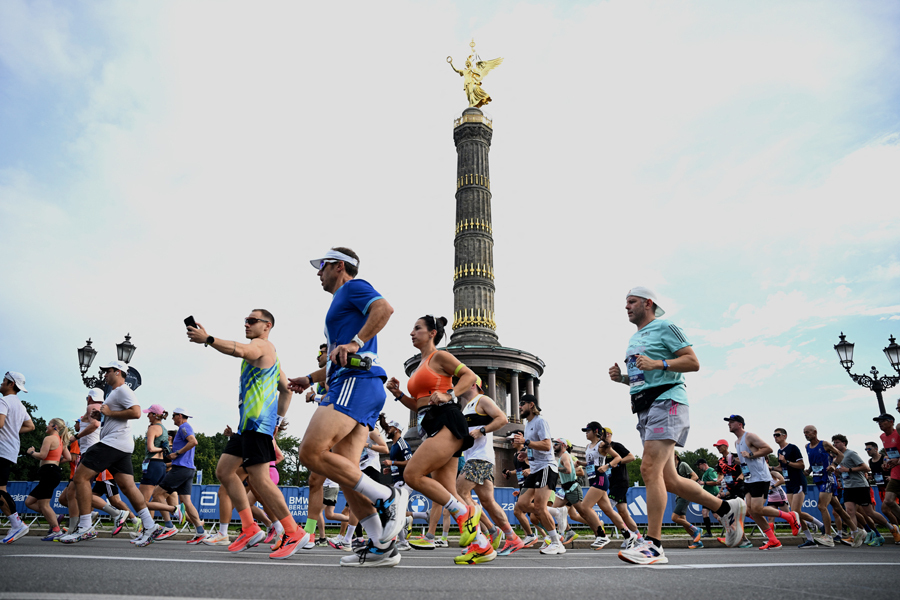
As anyone who has ever run a marathon will tell you, it is a very mechanically and metabolically demanding task! The end result of completing 26.2 miles as fast as you can is plenty of exercise-induced muscle damage (EIMD), which inevitably leads to delayed onset muscle soreness (DOMS) – especially in those runners who are unaccustomed to competing at this distance. EIMD is of course not just confined to runners. Almost all athletes from every sporting background will have experienced it during their career.
Inflammation and healing
Once a marathon or some other demanding event is over, your body gets to work mopping up and healing the damage to muscle fibers, a process achieved through inflammation. While inflammation is often regarded negatively, it’s actually an essential process in muscle repair and training adaptation. So for example, when a runner completes a very demanding or prolonged bout of exercise such as a marathon, a large release of key cells and signalling molecules involved in inflammation takes place almost immediately. Important drivers of this inflammation process include(1-3):
· C-reactive protein (CRP)
· Interleukins (eg IL-6, IL-10)
· Tumor necrosis factor-alpha (TNF-alpha)
As figure 1 shows, the purpose of this initial inflammatory phase is to activate white blood cells, particularly neutrophils and macrophages, to infiltrate the damaged muscle tissue, and then break down and clear the debris. This is essential for the next phase of healing to take place, which is repair and growth. In tis next phase, the muscle fiber environment needs to transition into an anti-inflammatory and pro-resolving environment, allowing satellite cells to fuse, repair damaged myofibers, and replenish depleted intramuscular glycogen stores (figure 1). The concept of ‘excessive’ or ‘chronic’ inflammation therefore refers more to an overemphasis on the first (breakdown phase) and an inability to transition in a timely fashion to the anti-inflammatory (building and remodelling) phase.
Figure 1: Inflammation in the breakdown and repair of exercise damaged muscle tissue
You need to be logged in to continue reading.
Please register for limited access or take a 30-day risk-free trial of Sports Performance Bulletin to experience the full benefits of a subscription. TAKE A RISK-FREE TRIAL

Andrew Hamilton

Latest Issue
Subscribe Today
Newsletter Sign Up
Testimonials
Dr. Alexandra Fandetti-Robin, Back & Body Chiropractic
Elspeth Cowell MSCh DpodM SRCh HCPC reg
William Hunter, Nuffield Health
Subscribe Today

Newsletter Sign Up

Coaches Testimonials
Dr. Alexandra Fandetti-Robin, Back & Body Chiropractic
Elspeth Cowell MSCh DpodM SRCh HCPC reg
William Hunter, Nuffield Health
Subscribe Today
Latest Issue
Keep up with latest sports science research and apply it to maximize performance
Today you have the chance to join a group of athletes, and sports coaches/trainers who all have something special in common...
They use the latest research to improve performance for themselves and their clients - both athletes and sports teams - with help from global specialists in the fields of sports science, sports medicine and sports psychology.
They do this by reading Sports Performance Bulletin, an easy-to-digest but serious-minded journal dedicated to high performance sports. SPB offers a wealth of information and insight into the latest research, in an easily-accessible and understood format, along with a wealth of practical recommendations.
*includes 3 coaching manuals
Get Inspired
All the latest techniques and approaches


Sports Performance Bulletin helps dedicated endurance athletes improve their performance. Sense-checking the latest sports science research, and sourcing evidence and case studies to support findings, Sports Performance Bulletin turns proven insights into easily digestible practical advice. Supporting athletes, coaches and professionals who wish to ensure their guidance and programmes are kept right up to date and based on credible science.
